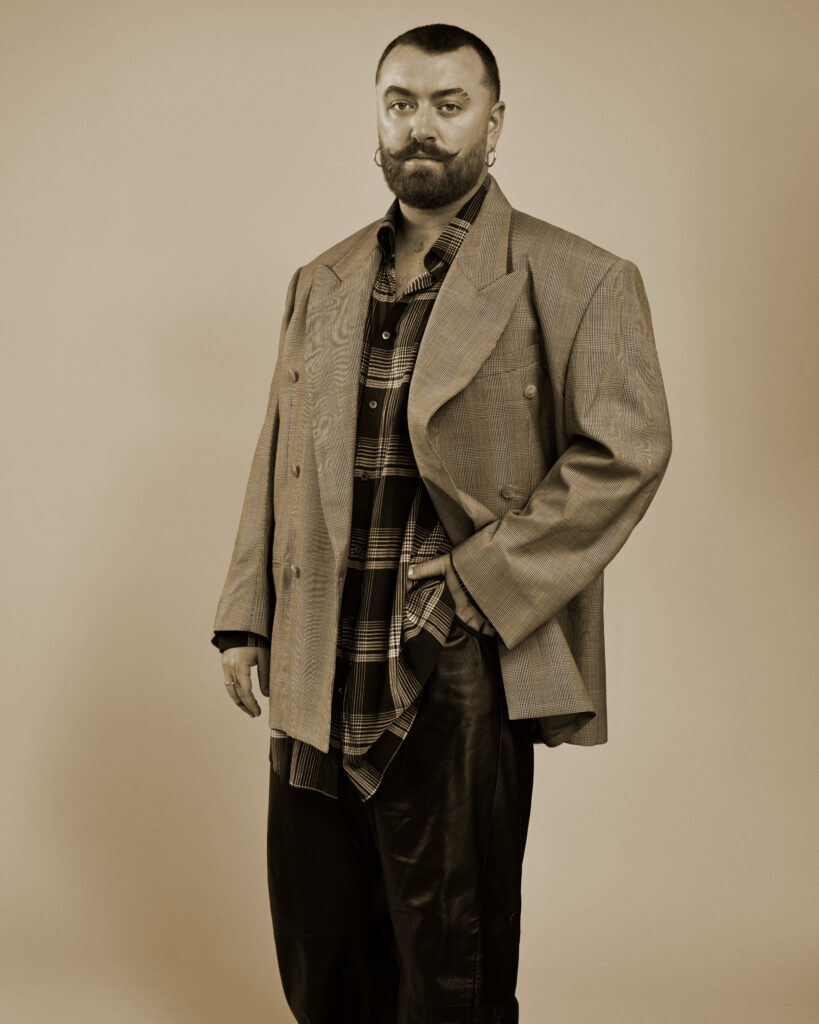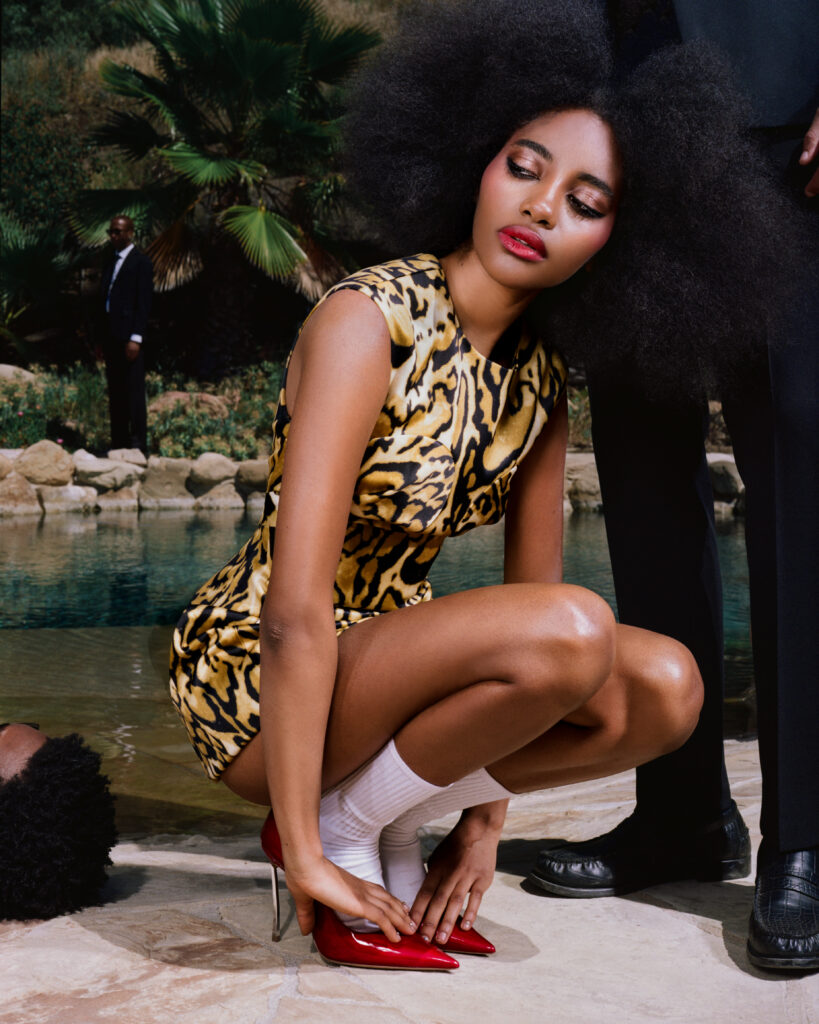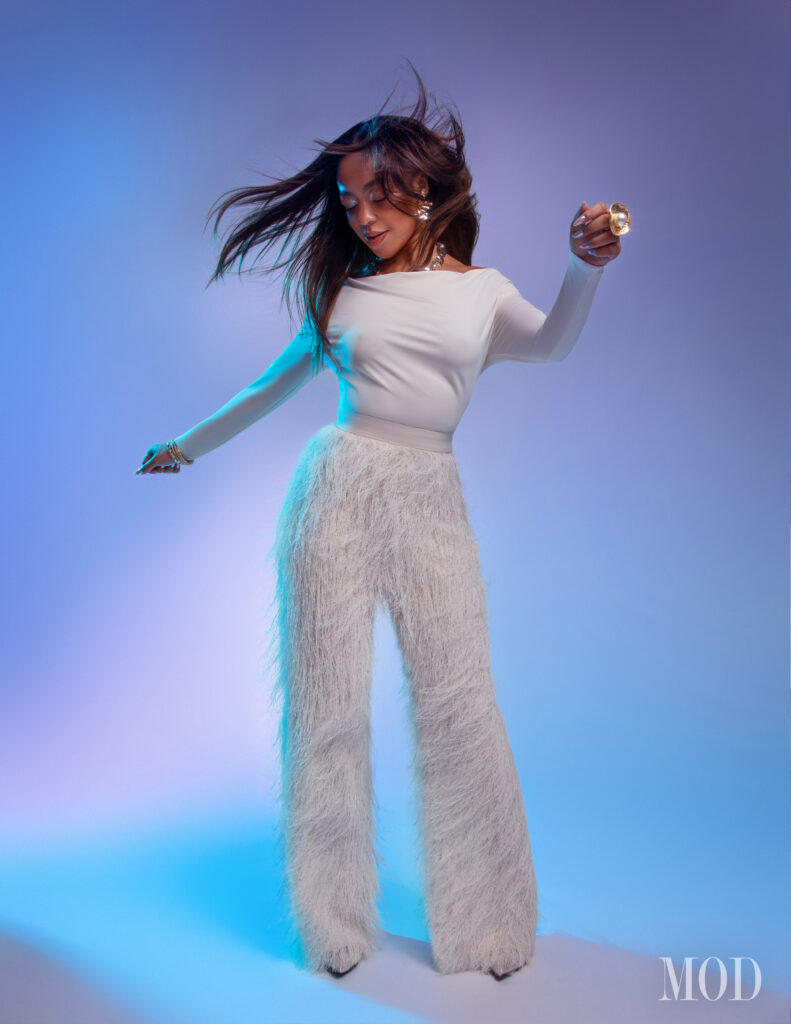
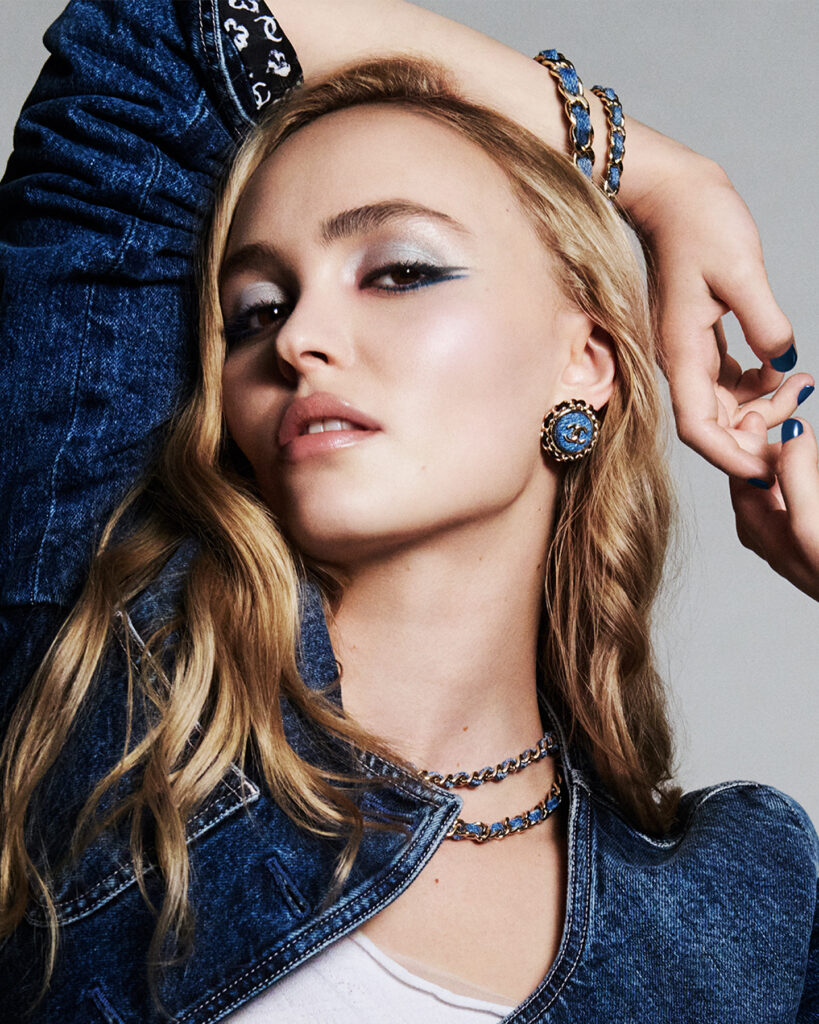
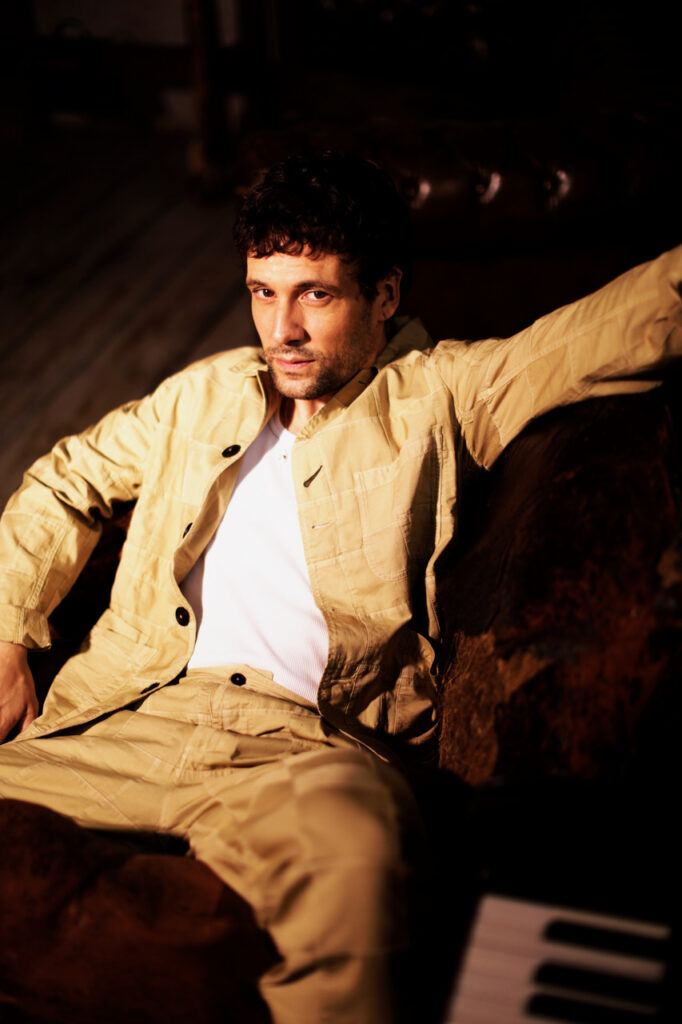


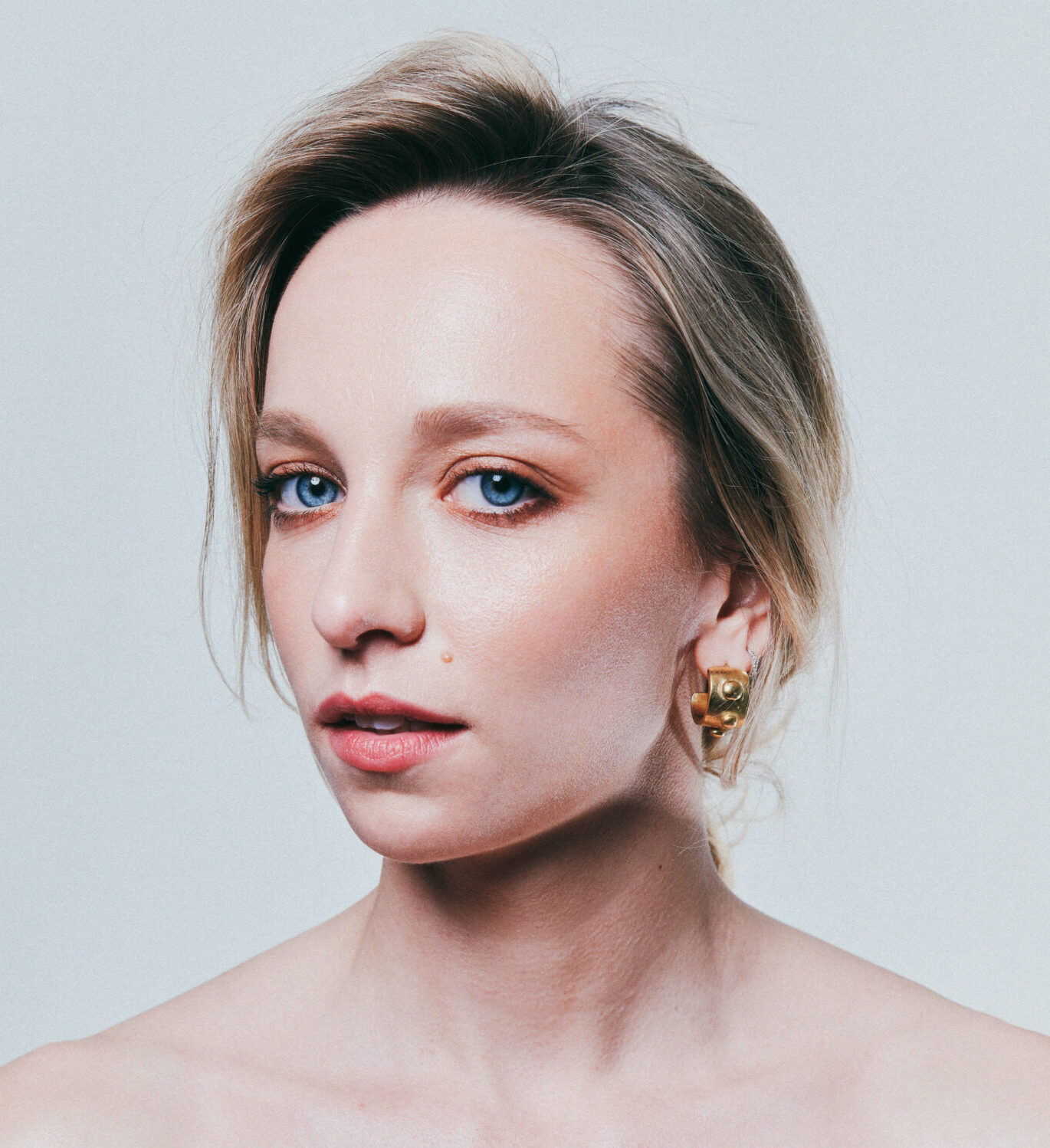
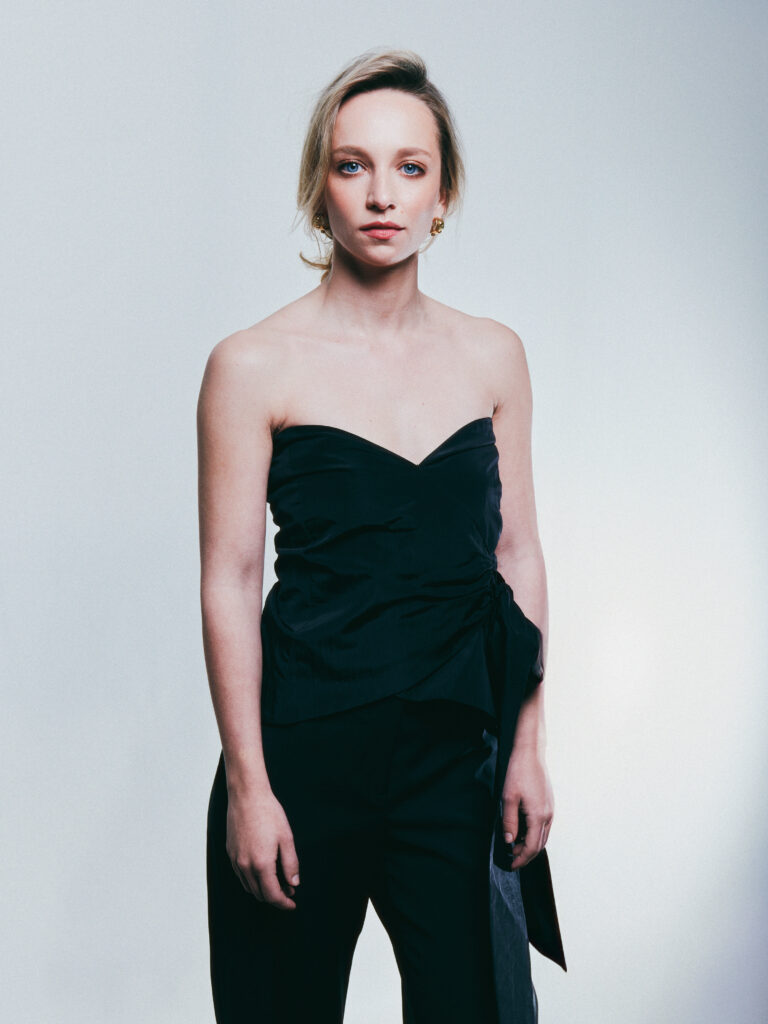
With an instinct for rich storytelling and a screen presence that feels quietly magnetic, Molly Windsor is steadily becoming one of the most compelling actresses of her generation. Following her acclaimed performance in Three Girls, Windsor has consistently gravitated toward stories that feel layered and deeply human. Now, she steps into the twisted world of Unchosen, Netflix’s unsettling new cult drama series. The six-part thriller, which follows a strict religious community in rural England, is already generating buzz for its stellar performances and emotional complexity. In conversation with MOD, Windsor reflects on instinct-driven storytelling, the evolution of women’s narratives on screen, and the creative experiences that continue to inspire her.
Unchosen feels intense and layered—what initially drew you to Rosie and this story?
I was drawn to Rosie from reading the first episode. It’s rare that you read a script and get hooked so quickly, but I could really see Rosie and the world of the fellowship. Julie is a brilliant writer.
What was your first emotional reaction when you read the script?
I read episode one and could just feel this wave of care for Rosie in my gut. I’ve always been very protective over Rosie and I just needed to know what happens to her.
How would you describe your character Rosie, and in what ways are you two alike?
Rosie is a very good-hearted person. She’s a devout member of the fellowship, a loving wife and mother. She has a strong moral compass that drives her to make some very bold and scary decisions. I think most women can empathize with Rosie’s desire to do the right thing, and the idea that the goal posts are constantly changing.
What was the most challenging aspect of this role and how did you prepare for it? This role touches on female emancipation and sexual awakening—how did you navigate those themes in your performance?
It was a challenge as some of Rosie’s journey is an internal discovery. As a women in the fellowship, she has been taught to suppress a lot of her thoughts and desires, but you want to be able to let the audience in on the journey. But Julie’s script explores these themes in such a beautifully nuanced way, I could just put my trust in the writing and our directors.
What did you enjoy most about your experience working on this series?
It’s such a privilege working on a job that you care about with good people. Jim Loach is a brilliant director, and what a cast! I thoroughly enjoyed working with the whole team.
Were you able to speak with people who’ve had similar lived experiences? If not, what were some sources of inspiration for you?
I had done research into similar experiences, but our writer Julie was my touchstone. It was important for me to dive into the specifics of our particular community. Our community is fictional and it also is thrown into disarray within episode one, so it’s a very particular story.
What was it like working alongside Asa Butterfield and the cast on such an emotionally charged story?
Asa is wonderful! All of the cast are brilliant. The content of the shoot was really intense at times, but it makes such a huge difference when you’re with people you trust. You don’t get to see much of it on screen but we did also have a laugh and a really nice time working together.
Any memorable behind-the-scenes moments from the set?
There was so much we had to shoot at night under a rain machine. Keeping the energy up when you’re tired and wet is always a challenge and I really wanted to make it as fun as possible for Olivia, who was 7 at the time. So myself and one of that assistant directors would dance under the rain machine when we had to get wet. We had a few moments like that, where the content could be so heavy, but we would get chance to be silly and have fun.
Without giving too much away, what moment in the series stayed with you the most?
The ending. The series starts with a storm and ends with a storm… It’s pretty intense.
The series explores themes of control, faith, and liberation—what conversations do you want this role to spark, especially within today’s climate? What do you hope audiences take away from Unchosen?
I hope they enjoy it and empathize with the characters. It’s easy to look at other communities and see the differences, but I think it’s a very relatable, human story.
What helps you stay grounded when working on emotionally heavy material?
Coming back to the purpose of the story you’re telling helps. Talking through things with the team, and just giving yourself a little TLC can help.
Has your approach to acting evolved since your earlier roles?
Each role will be a little different, depending on the team but I think at the core it’s stayed the same. Working with Samantha Morton on my first role has really shaped who I am as an actor. I learnt so much from her that it’s an approach that’s stayed with me.
How do you know when you’ve fully “found” a character?
I think when you stop thinking about it too much and it becomes purely instinctive. It’s like knowing an old friend and knowing how they’ll respond to things.
Looking back, how did your experience on Three Girls shape your career moving forward?
Working on Three Girls really cemented how important it is to work on projects that you care about, with good people and what a huge impact drama can have. It sparked conversations from the House of Lords to conversations within families, friends, strangers. Ten years on and it is still being used as a teaching resource within schools and social services.
Winning a BAFTA so early on is incredible—how did that moment impact you personally and professionally?
The BAFTAs were such an overwhelming and wonderful experience. But it’s not about me as an actor, it’s about the story that you’re telling and how that resonates with an audience.
What have been some of the biggest lessons you’ve learned navigating the industry?
It’s a wild ride and there’s no set path. You have to be comfortable with who you are, how you work and trust in that.
How do you choose roles now—what makes a project feel like the right fit?
I get a strong instinct from a script. I think you have to believe in it or you can’t ask an audience to. When it’s a good fit I feel like I can really “see” it and I feel excited.
Who are some directors, actors, or writers you’d love to collaborate with in the future?
Michaela Coel, Eva Victor, Andrew Scott
What kind of roles or stories are you hoping to explore next?
I’m ready for a comedy or something lighter! But to be honest, I think I’ll always be attracted to playing characters that feel real to me. I get excited by new writing, by something that feels like a challenge or something that I’ve not seen before.
The industry is shifting in how it tells women’s stories—how have you seen that evolve during your career?
I think it still has a way to go! But generally, it’s positive that we’re seeing more of a range in women’s stories, that female characters are becoming more three-dimensional, with complex thoughts/feelings/challenges.
Do you feel a sense of responsibility when taking on roles that deal with complex or sensitive subject matter?
Yes, absolutely. Even when the characters are fictional, you have a responsibility to portray it as truthfully as possible as there will always be people in the audience that identify with the story you’re telling.
…
Full story available in MOD Magazine’s Spring 2026 issue, arriving May 22.
PHOTO CREDITS
Photographer: Stefan Bertin
Hair & Makeup: Nohelia Reyes
Styling: Delaney Williams