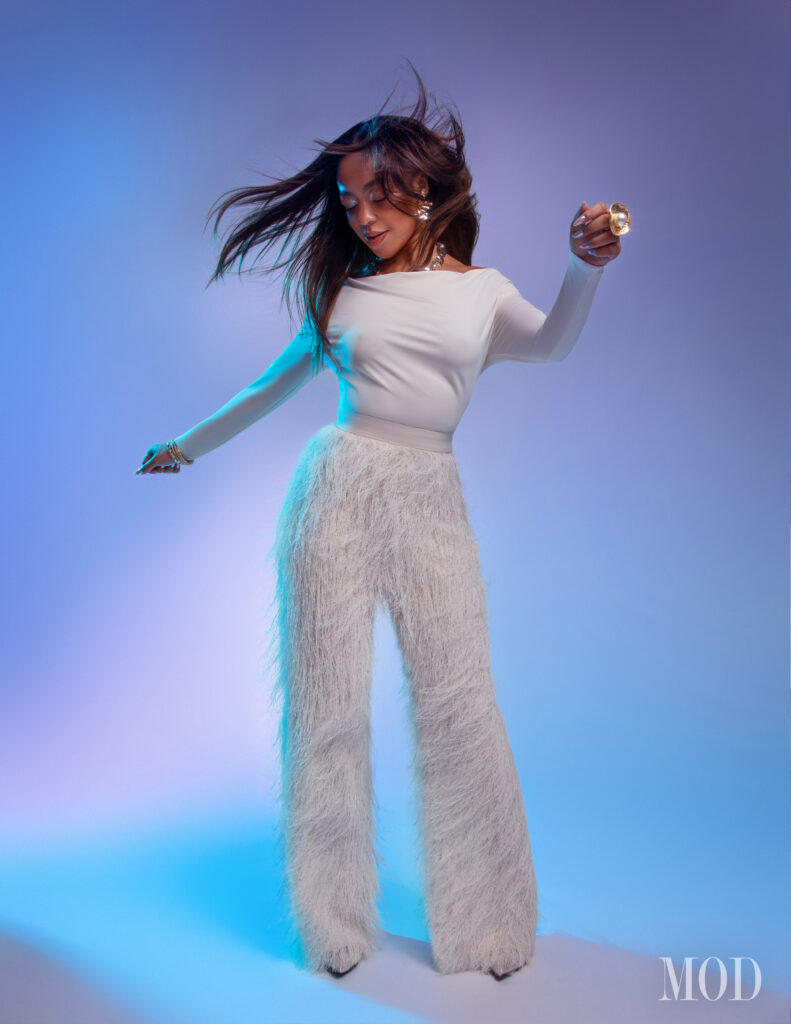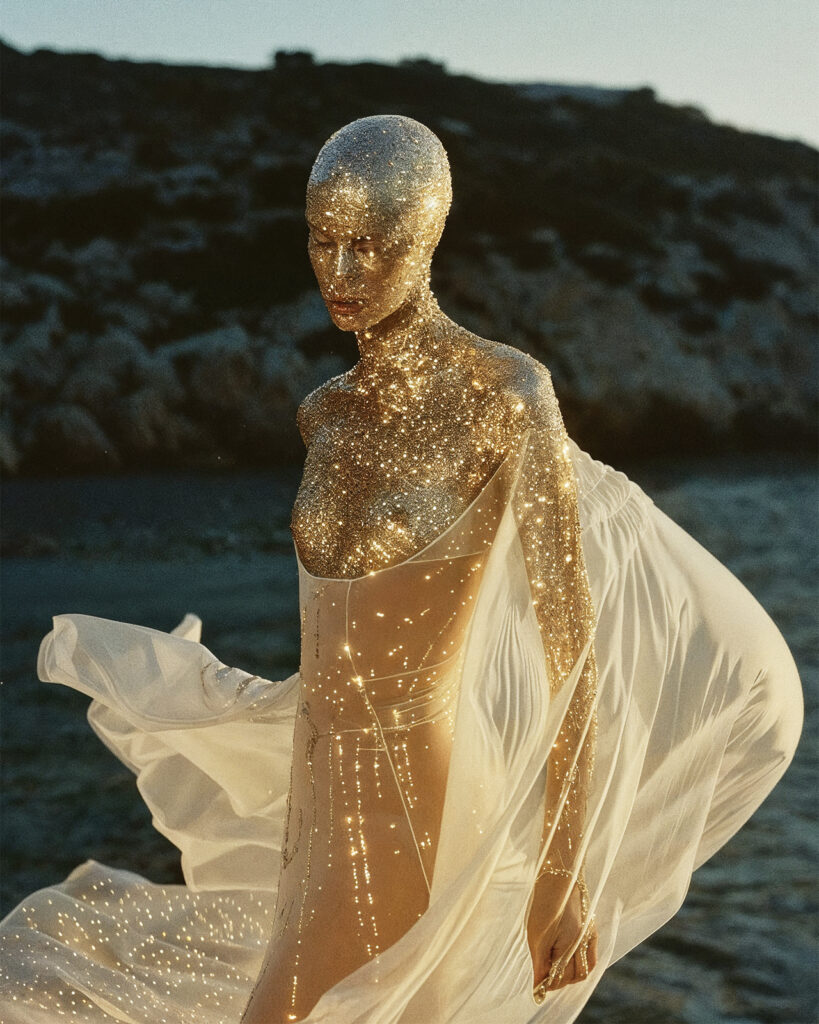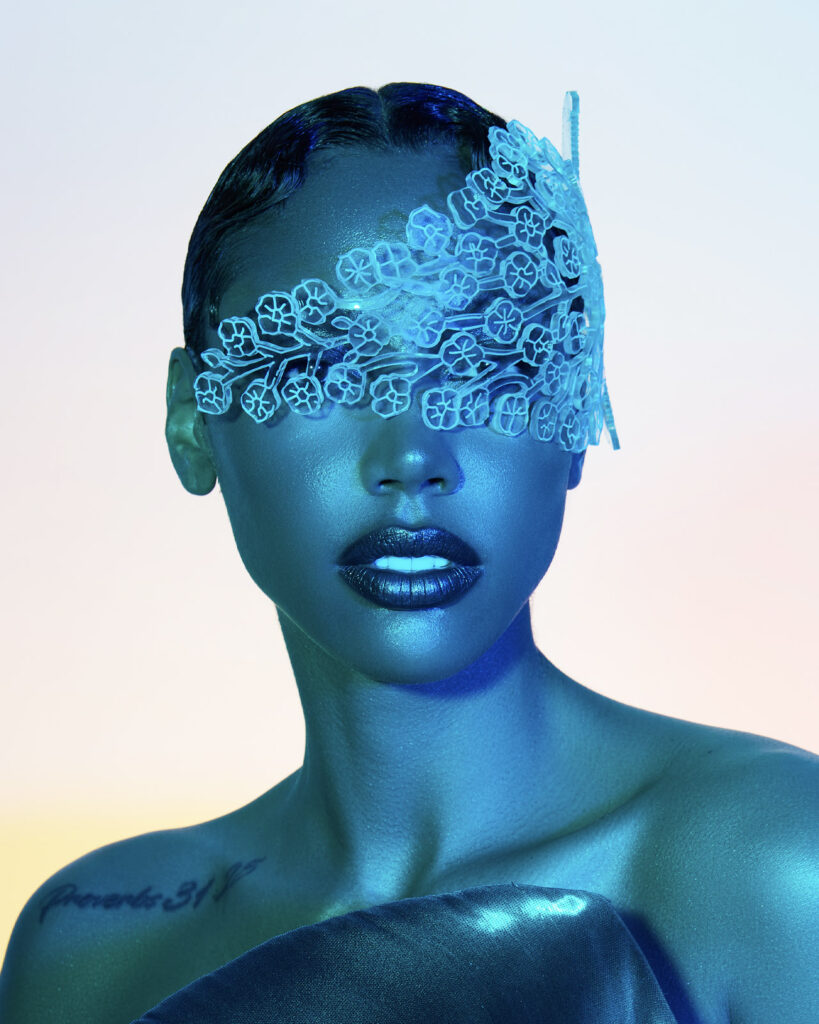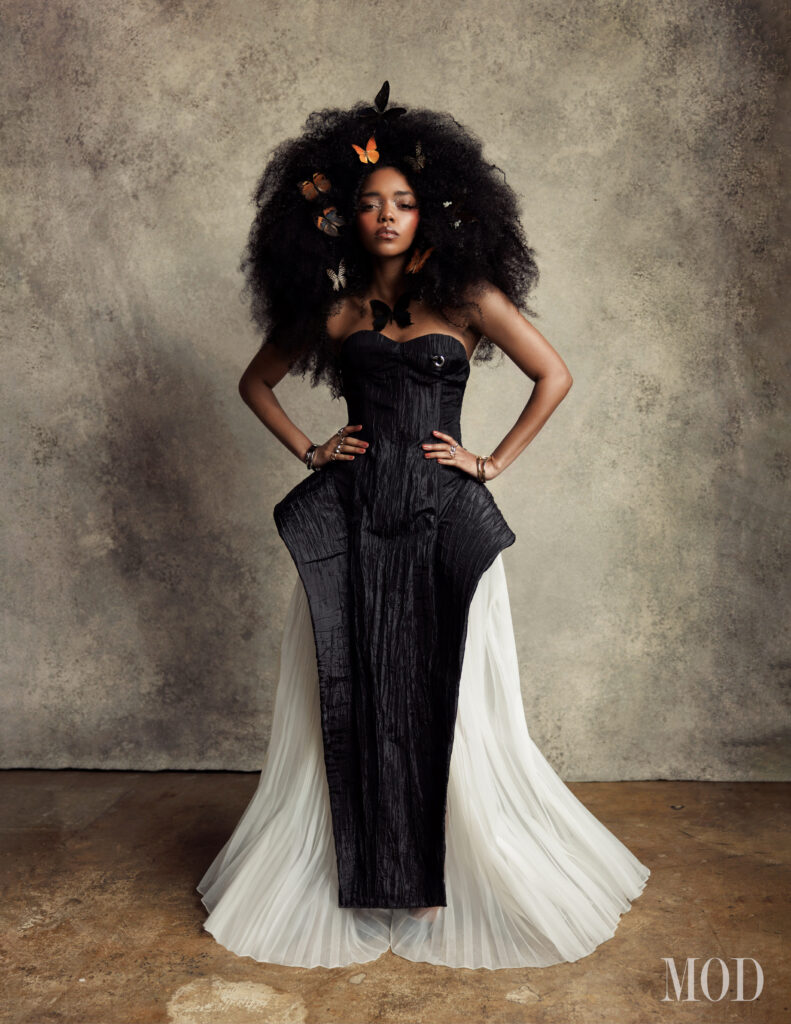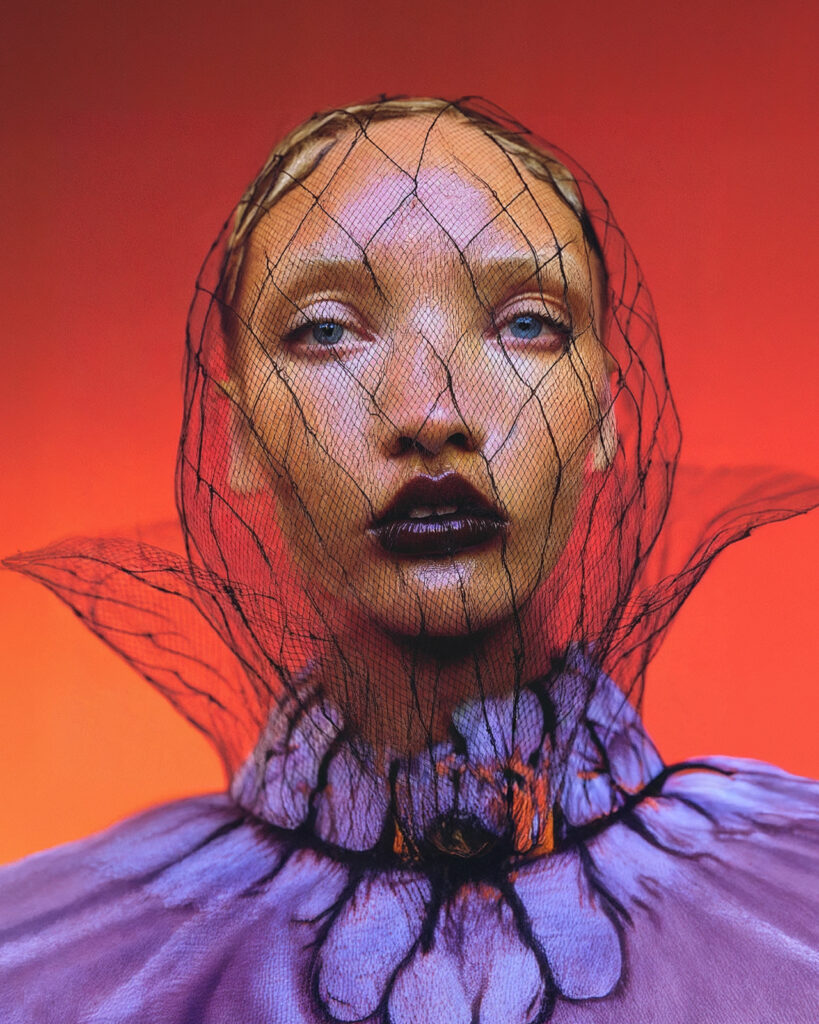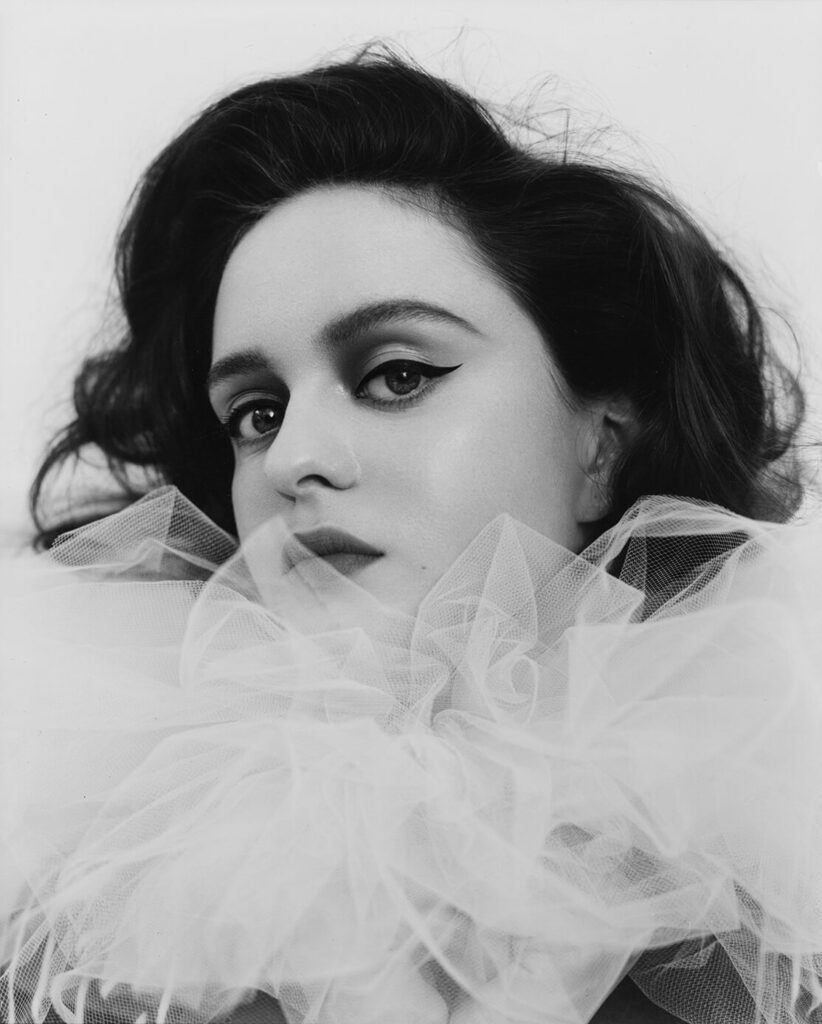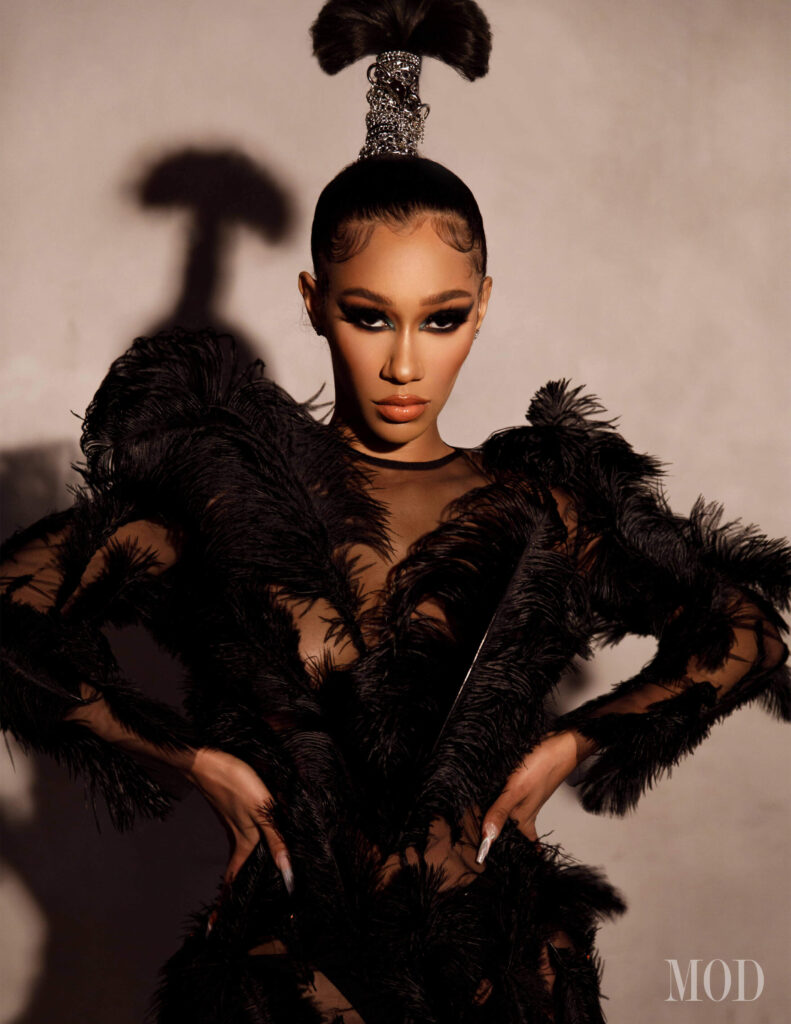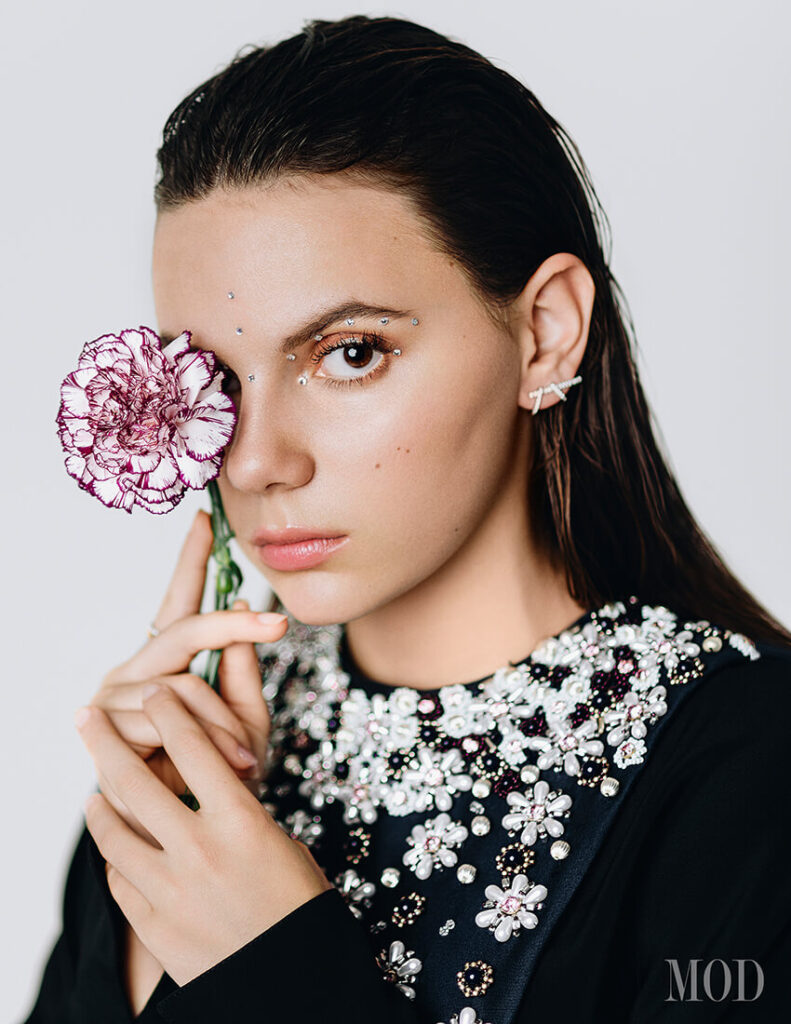



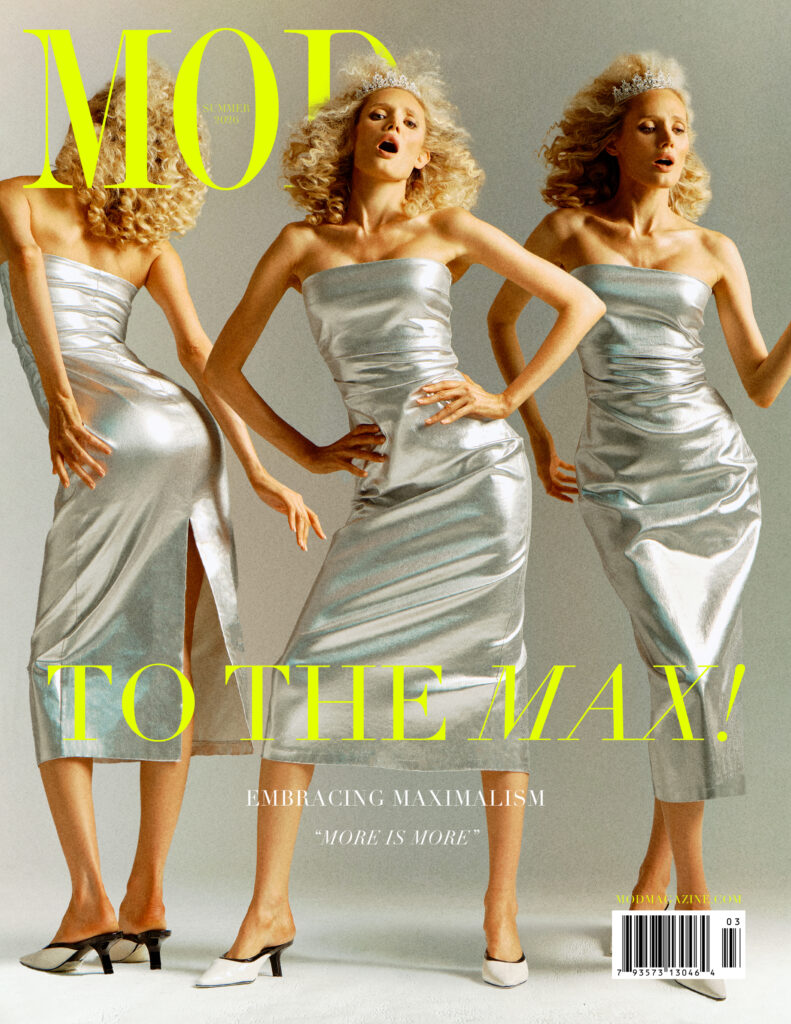
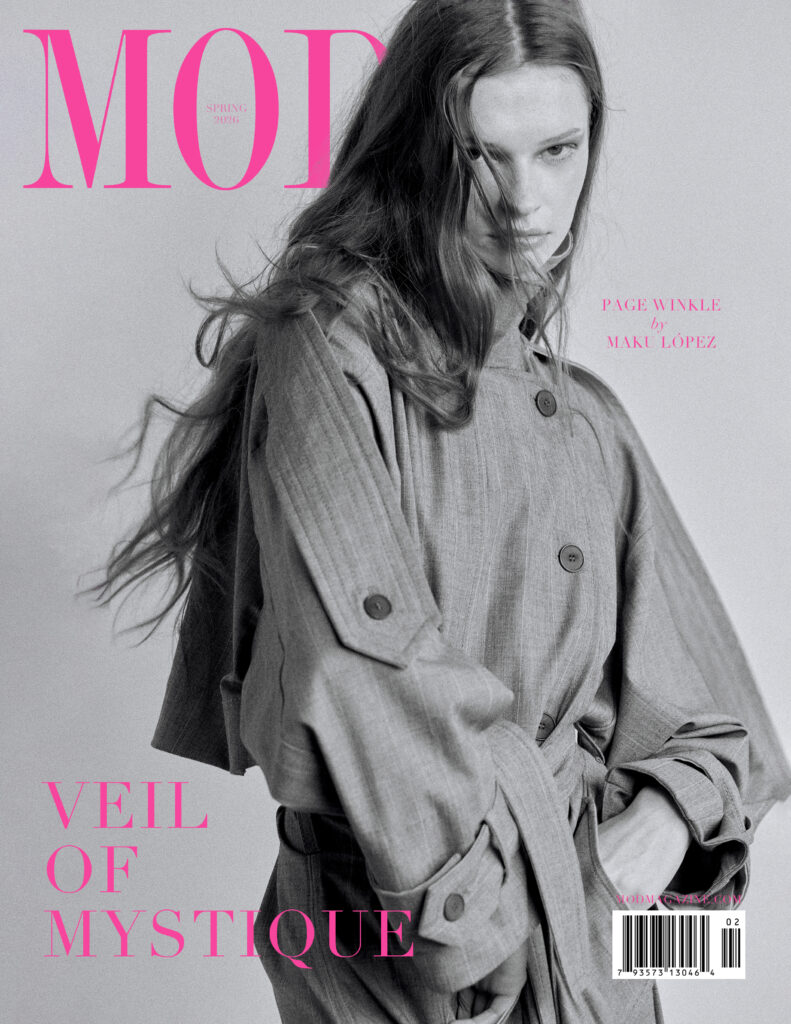
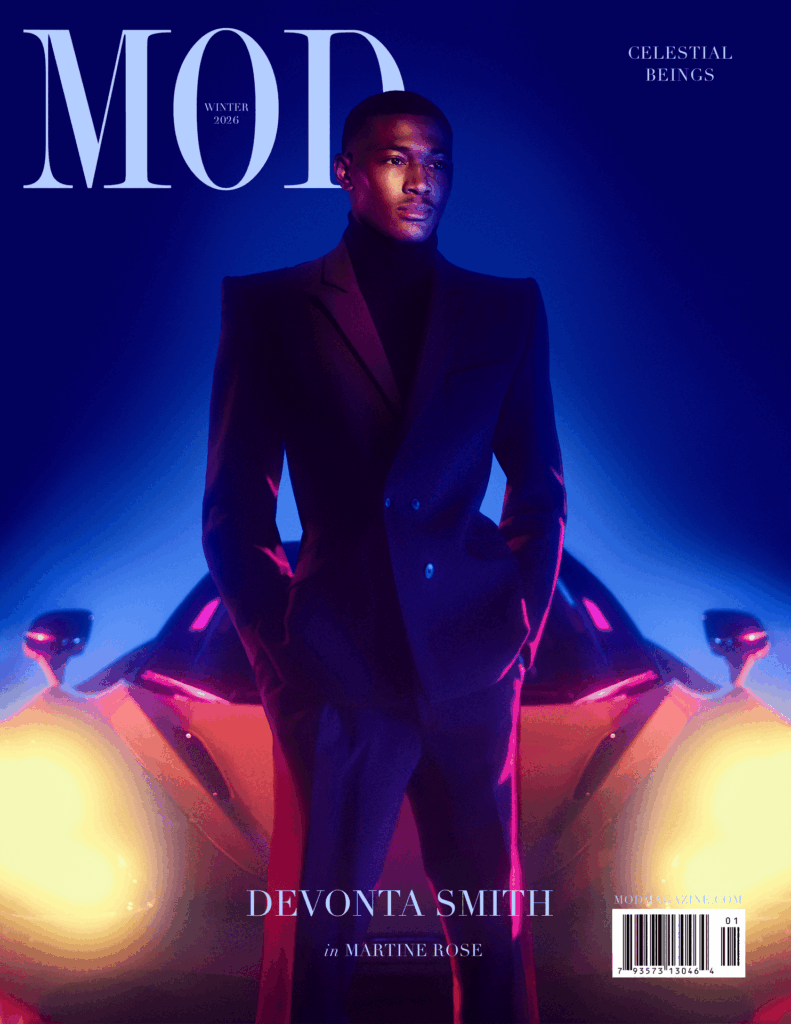


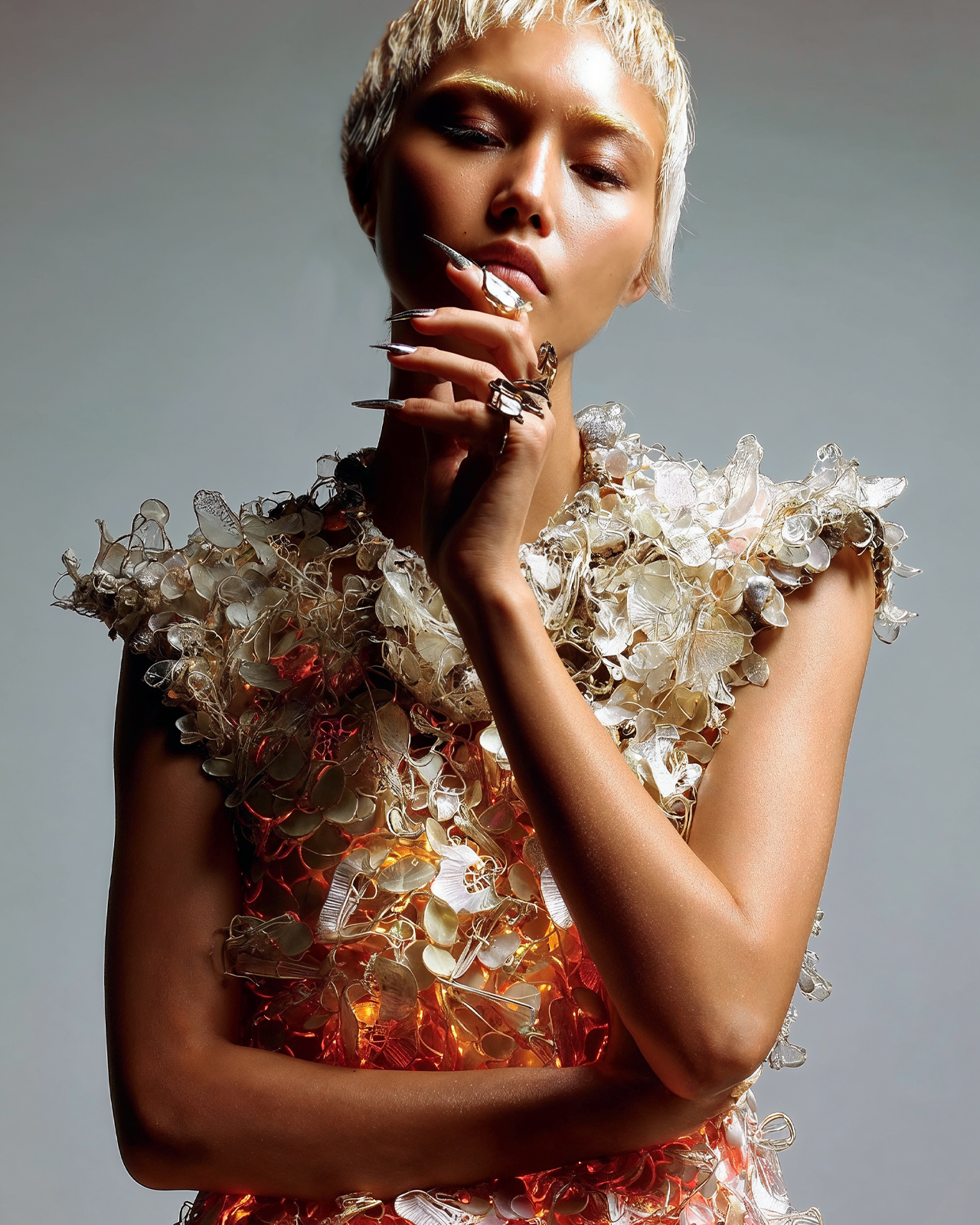
Meet Claudia Zaragoza, a Barcelona-born digital artist now based in Paris with eight years of experience in the fashion industry. Her work blends style and technology, reimagining fashion through an AI-driven lens.
In your opinion, what are the most exciting possibilities AI opens up for the fashion industry?
Generative AI tools are transforming the dynamics of the fashion industry, redefining the roles of creatives and product designers. AI is making it easier to create, saving time and resources, and helping to produce clothes and accessories more efficiently.
On the other hand, what are the most concerning implications of using AI in fashion?
A time will come when the line between AI and reality becomes hard to distinguish, especially for younger generations. That’s why brands need to be proactive in building digital ethics into their use of AI.
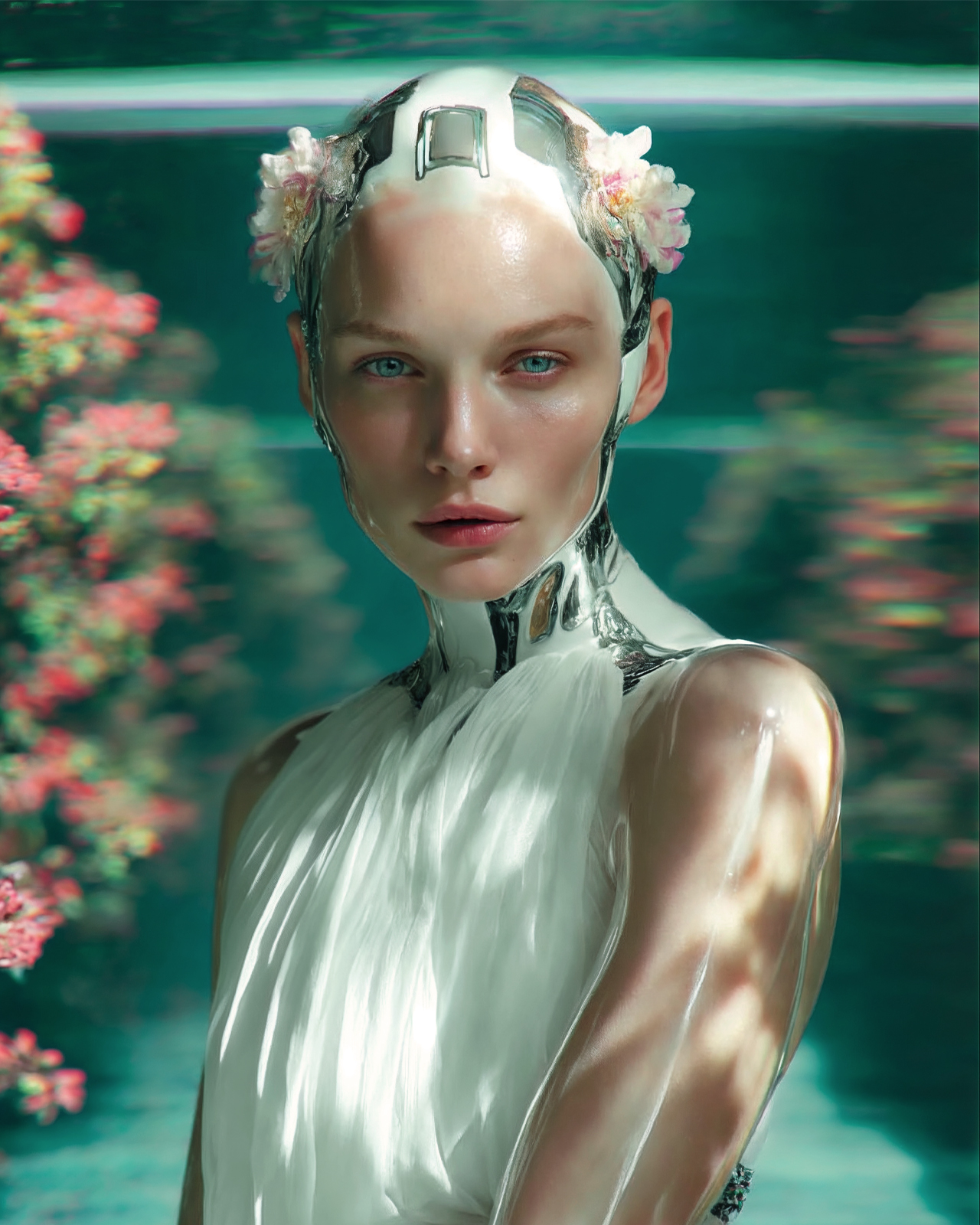
What initially drew you to experimenting with AI?
At work, when an idea for a shoot or a campaign comes directly from my mind, it’s not always easy to bring it to life, especially when there’s nothing quite like it out there yet. Finding visual references, figuring out how to make it tangible… it can be a real challenge.
That’s exactly where it all began for me. With generative AI tools, I suddenly had the power to transform abstract concepts into visuals. My ideas became something I could show, not just explain.
Do you view AI as a tool, a collaborator, or something else entirely within your creative process? Please explain.
I always use AI as a tool to stay on top of new storytelling methods and challenge what’s creatively possible, not to replace ideas, but to enhance it.
How has your approach to your own artistry changed as AI became a part of your creative process?
AI allows me to work faster and skip a few steps to reach the creative outcome I’m aiming for. However, I don’t believe it can replace human talent. In content creation, for example, the presence of a model, the photographer’s unique perspective, and the talent of set designers all contribute to results that truly resonate with us on an emotional level. Those human elements still make all the difference.
Read the full interview in our Metamorphosis Issue.