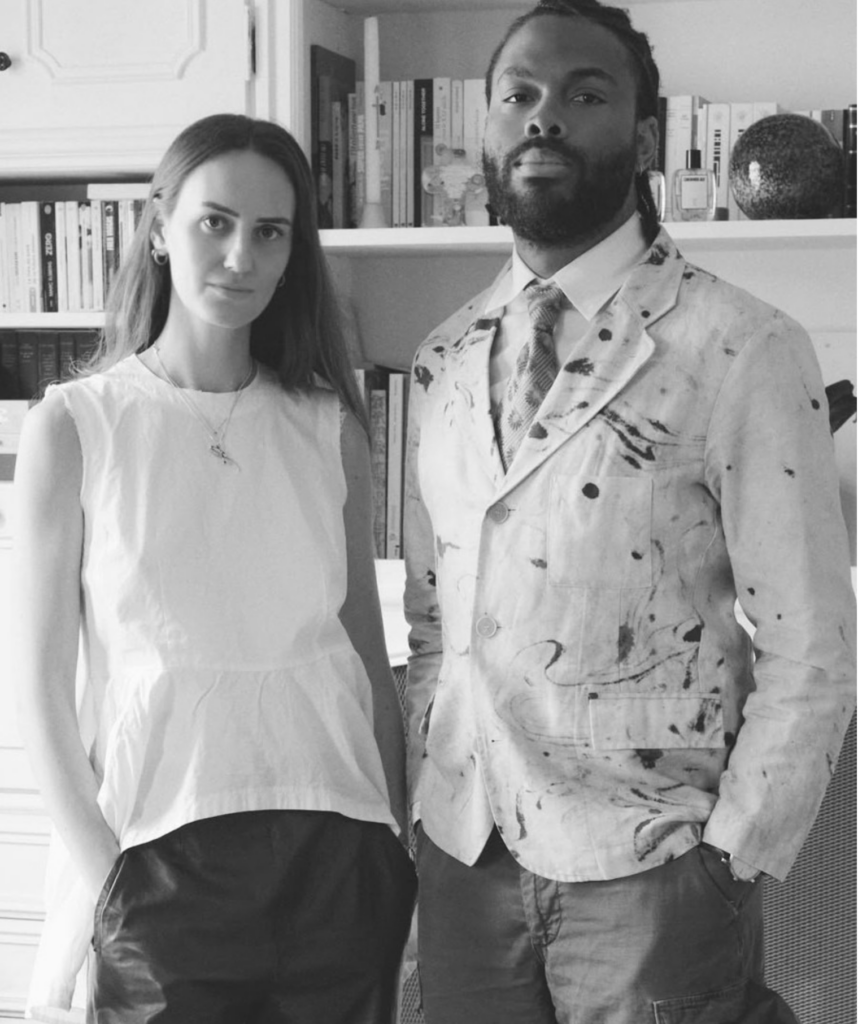


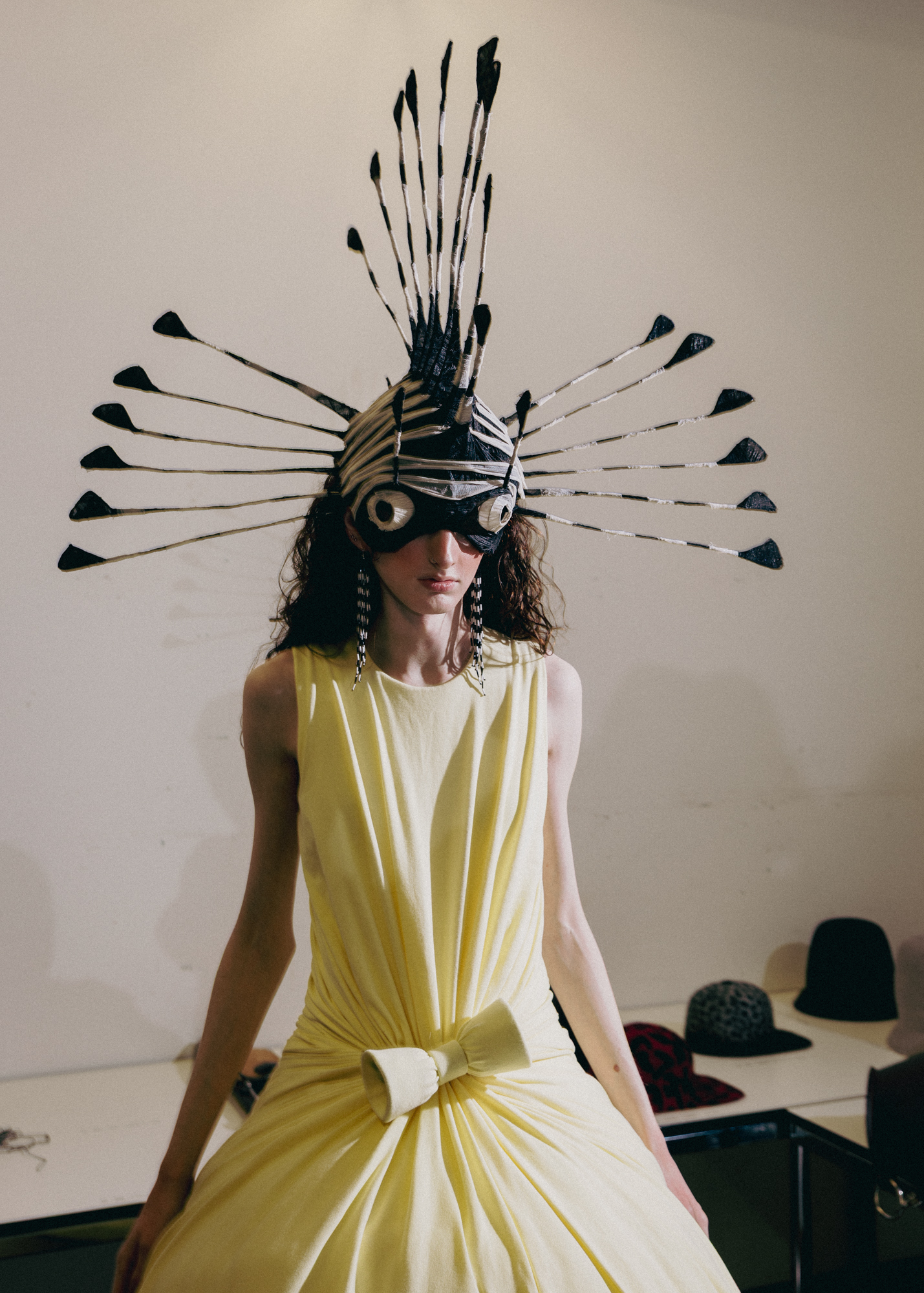
“We are in a space that allows us to think freely and to have the time to be creative with the concepts we want to explore,” says Pauline Martin, jewelry and accessory designer and recent graduate of HEAD Genève. It’s a sentiment that captures the spirit of the HEAD Genève Fashion Show 2026 rather well.
Sea kelp leather alternatives. Seat belts reimagined. Skirts dipped in caramel. Welcome to the HEAD Genève Fashion Show 2026, where the next generation of designers solidified that fashion inspiration can come from just about anywhere. And thank goodness for that.
Forget predictable silhouettes and familiar references for a moment. This is where unexpected materials meet curious minds, where everyday objects find a second life and where a new generation of creatives brings an entirely different perspective to the clothes and runways to come. Across 33 collections, the BA and MA graduates at HEAD Genève showcased ideas that felt experimental, personal and, above all, exciting.
What made the experience particularly interesting was the thinking behind the clothes. Ahead of the show, several designers shared the stories and creative processes behind their collections, offering a glimpse into the research, references and experiments that shaped what eventually appeared on the runway.
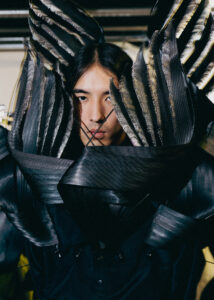
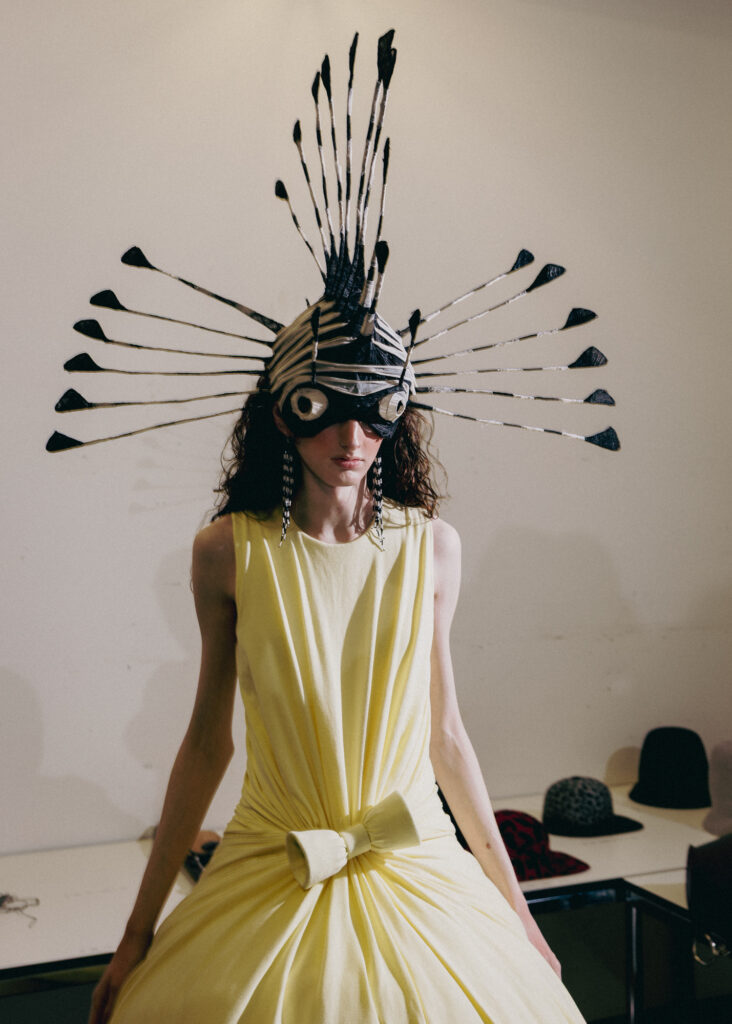
For Loris Cedolin, the inspiration behind Fais-moi cygne goes back to a childhood fascination with the swan, sparked by the film Swan Lake. “I wasn’t surrounded by art, so the movie Swan Lake was like an escape for me. And I think the fascination with the elegance of the swan and for perfection still follows me today in my practice,” he shares. That pursuit of elegance takes an unexpected turn in his collection: Cedolin uses upcycled seat belts to create feathers for each look. A material designed to restrain the body becomes part of something defined by movement and grace. There’s a striking contradiction at play, with control meeting freedom and a sense of lightness emerging from something built for restriction.
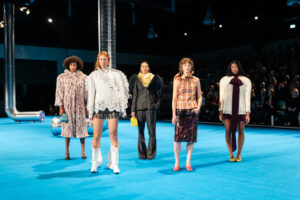
“When eating pastries, I thought [about how] I did not want to make this collection too serious, [but rather] I wanted to enjoy myself,” shares Kelig Trésallet. And who knew a little afternoon indulgence could inspire an entire wardrobe? In Paris-Brest, she takes the familiar ritual of le goûter – that pause in the day for something sweet, a cup of tea and a good conversation – and gives it a fashionable twist. Think tailoring that softens and spills into pastry-like volumes. The collection moves away from the formality of structured dressing towards something more playful, generous and unapologetically indulgent.
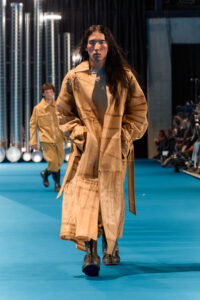
For Tanguy Mélinand, Muddy Sea is a love letter to Brittany. “This collection is about memory – the memory of places, sensations, and moments that continue to live within us despite distance and time,” says Mélinand. That connection to place goes beyond the collection’s palette and workwear-inspired silhouettes. Mélinand has even developed his own leather alternative using seaweed, bringing the textures and character of the coast into the material itself. It’s a particularly thoughtful way of translating a landscape into something tangible, and of carrying a piece of home into the future.
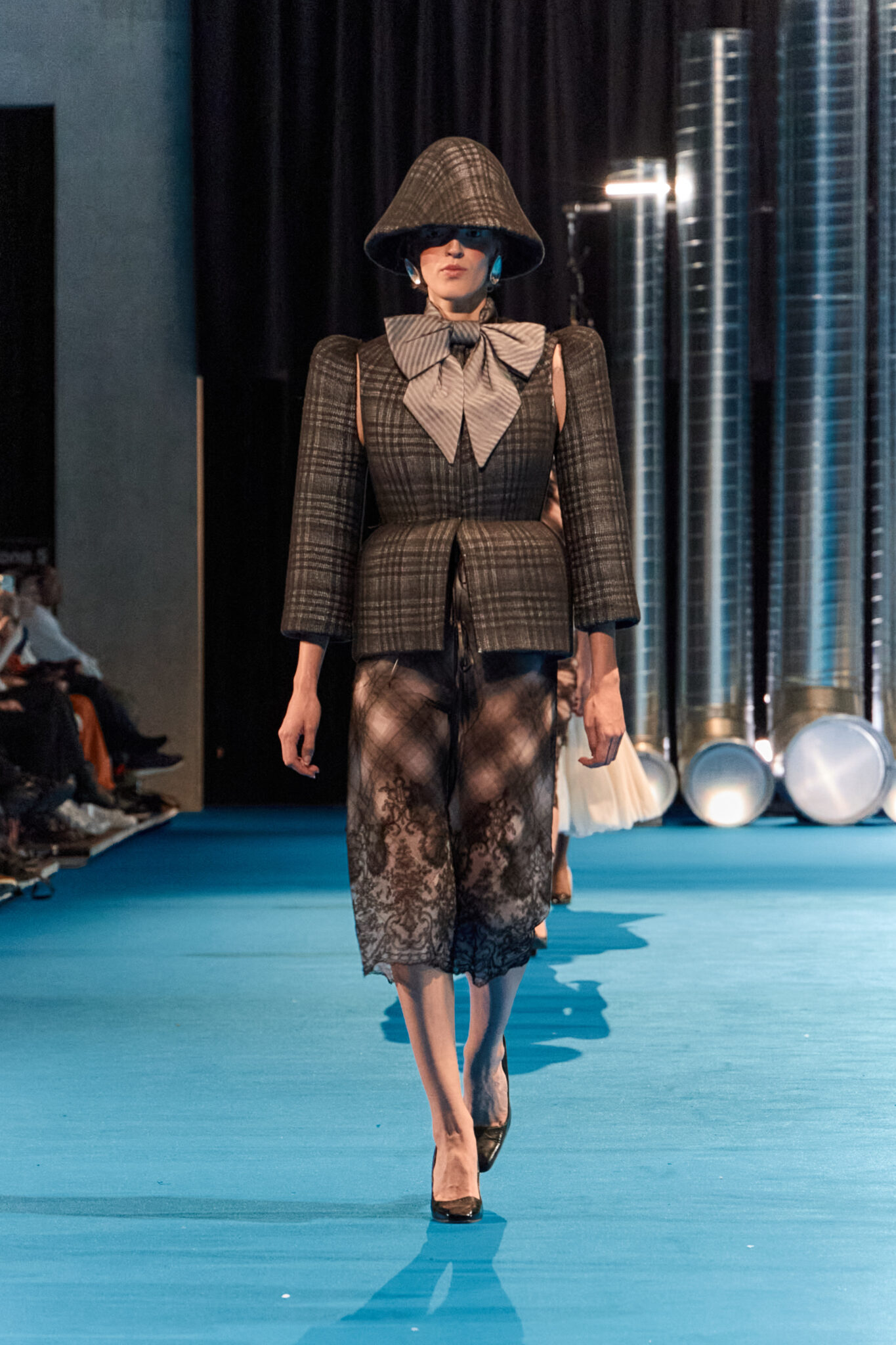
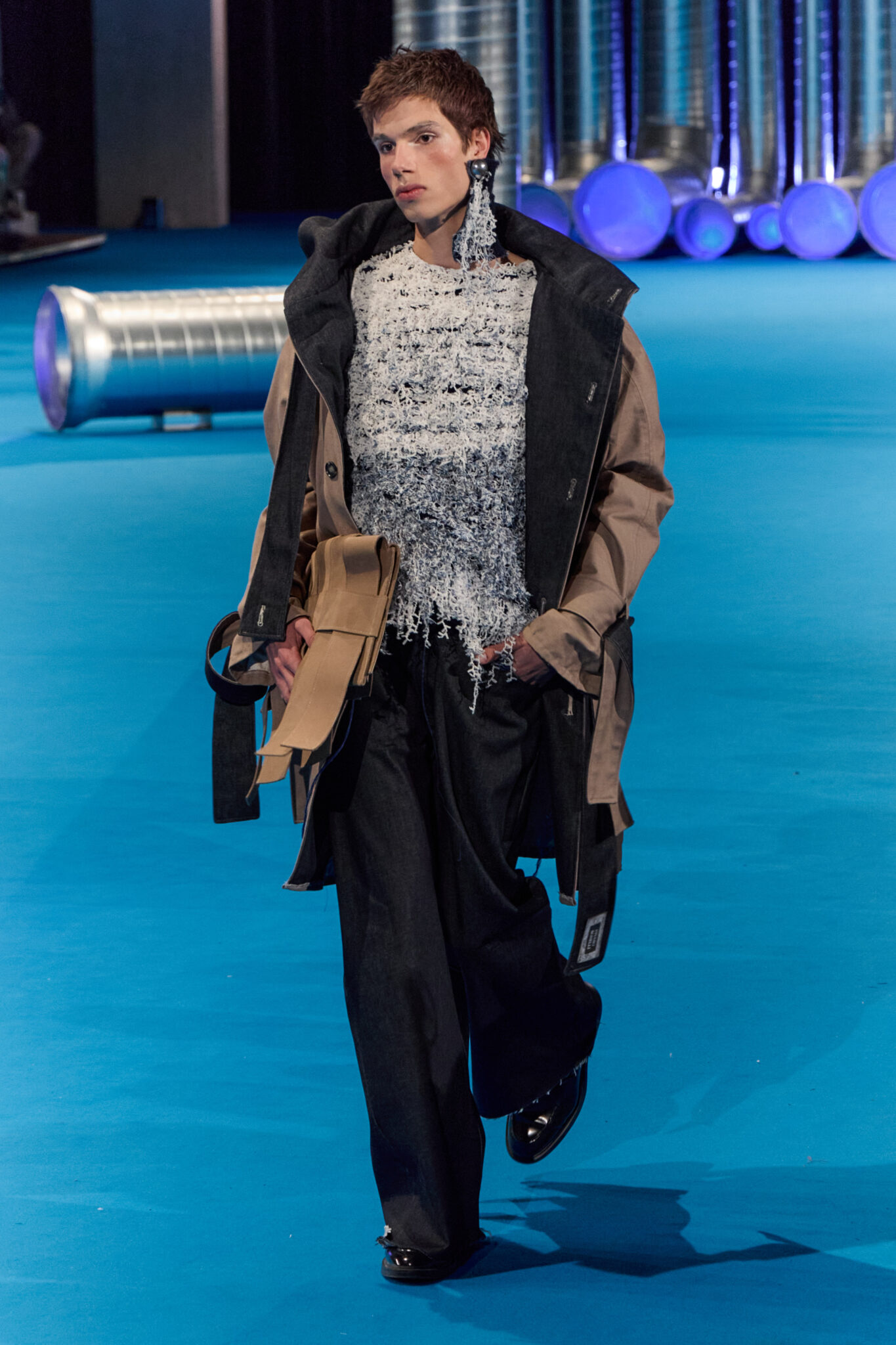
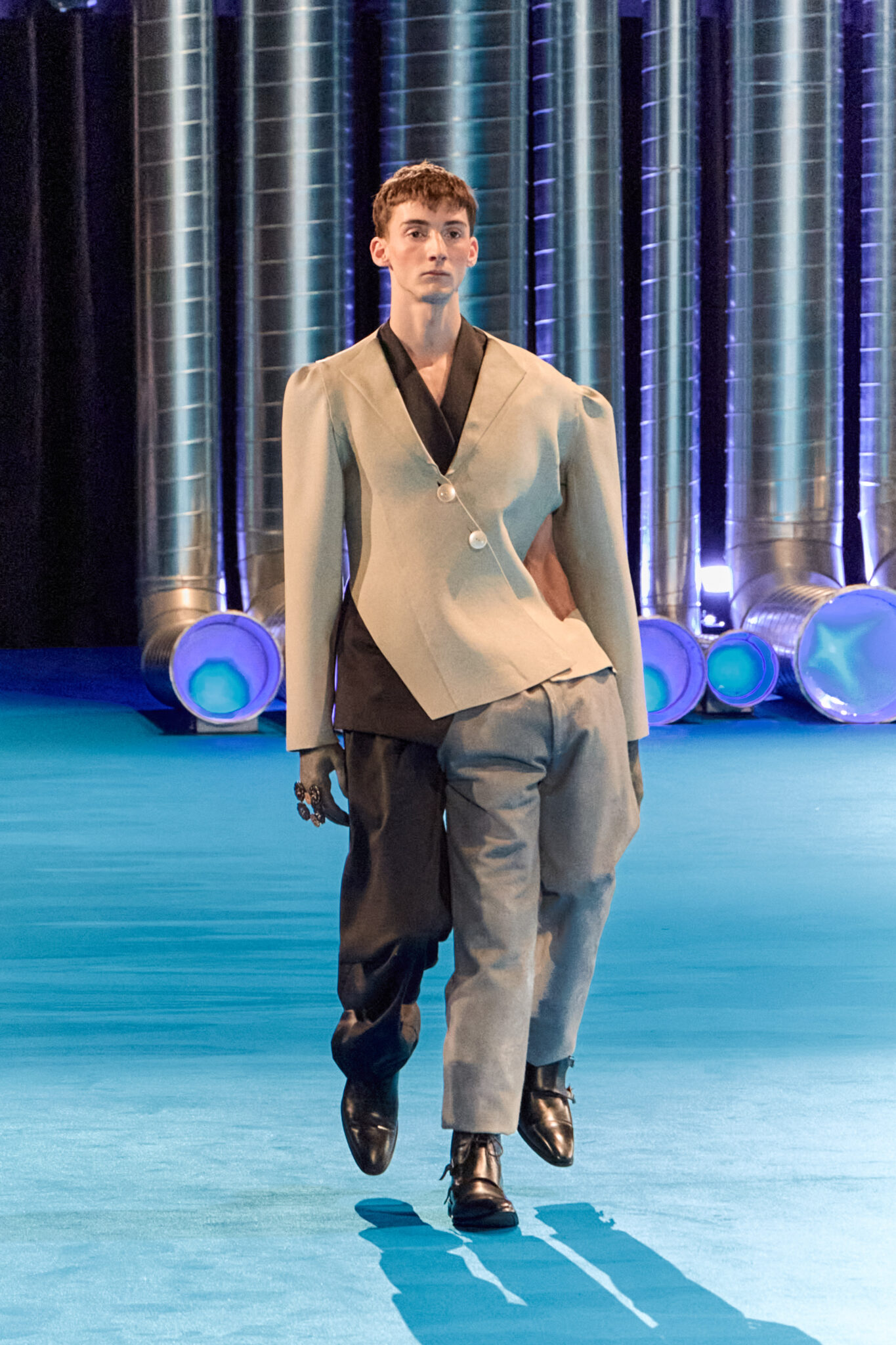
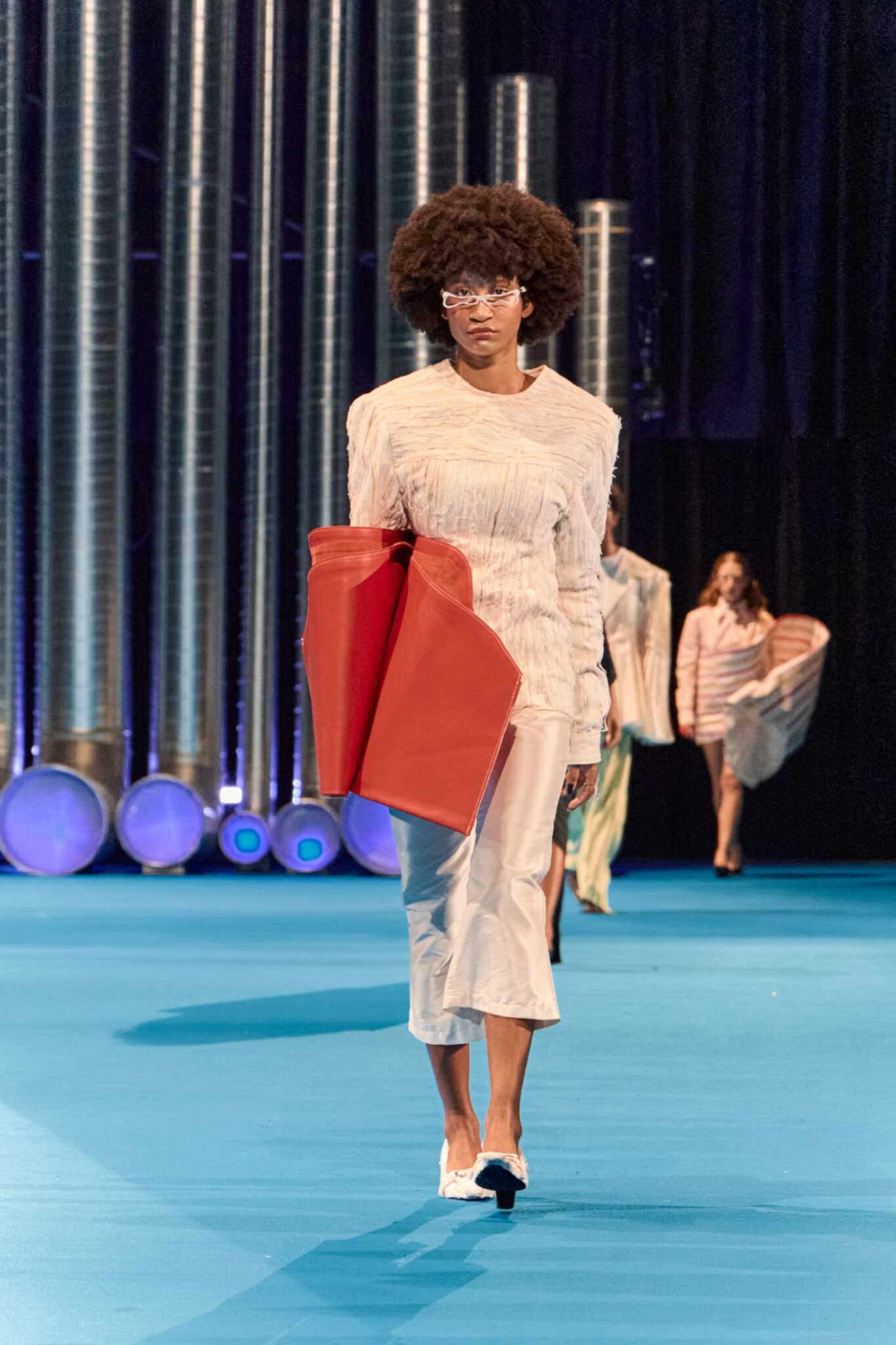
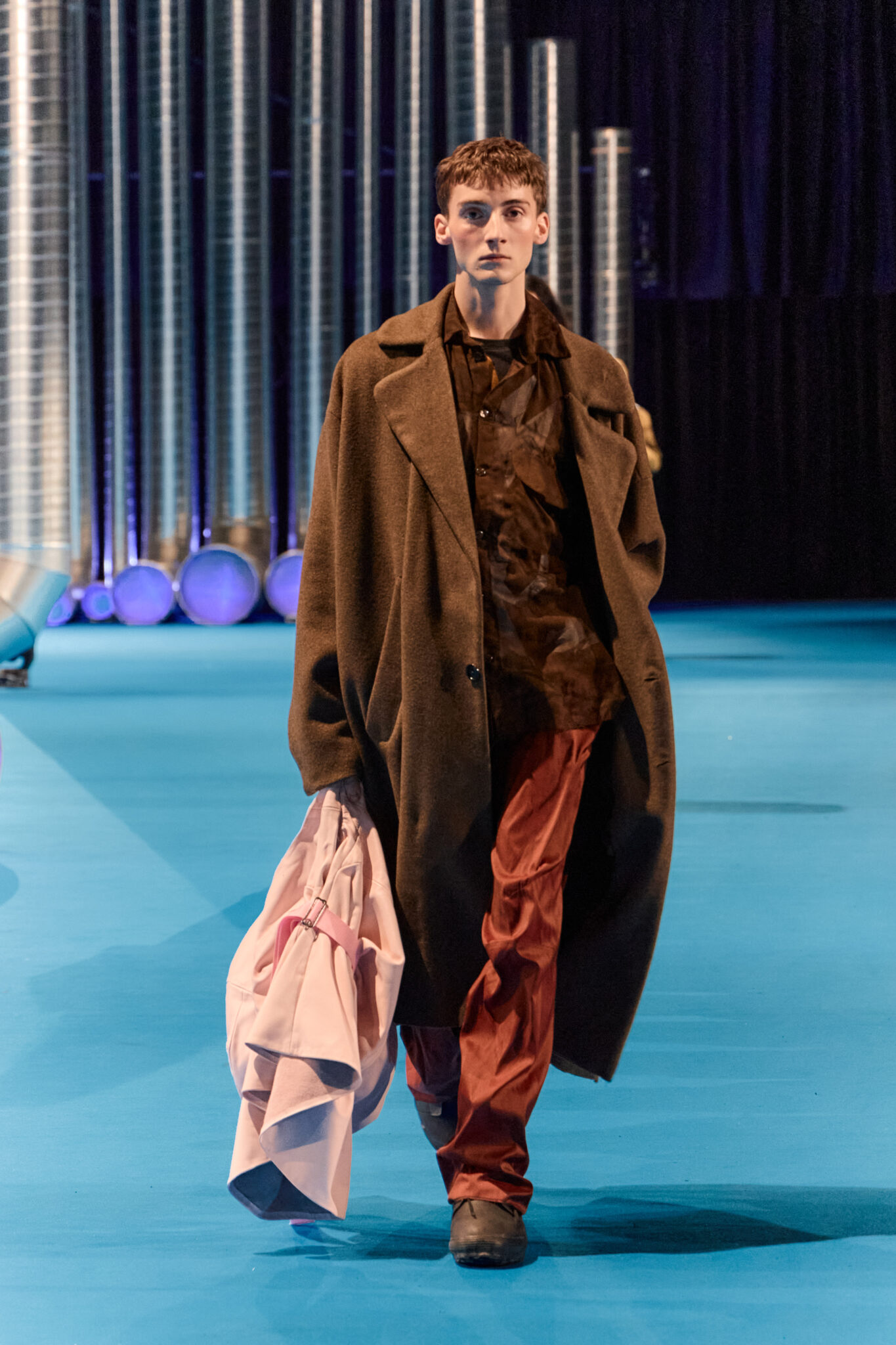
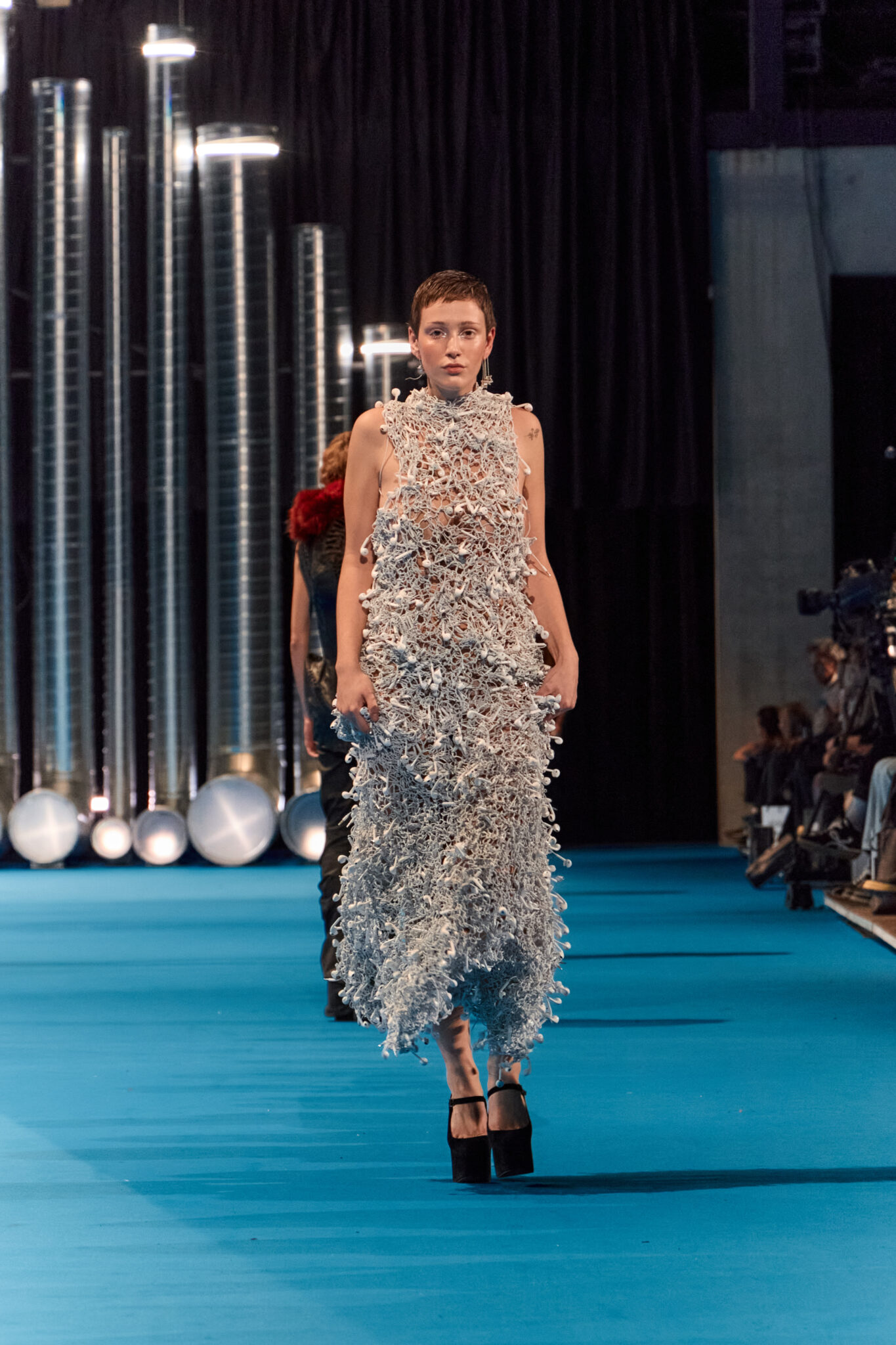
The inspirations keep shifting across the runway. Chiara Bonelli’s Out of the Blue looks at inherited clothing and the memories we attach to what we wear. Meanwhile, Zakarie Boubekeur’s Straycore takes inspiration from urban wandering, finding creative possibilities in the rhythms of city life. Elsewhere, Nassim Arman’s Zéro De Conduite questions the codes of masculinity, while Hippolyte Laporte’s Anamorphoses explores the relationship between clothing and identity. Different starting points, different conversations, and no shortage of ideas.
What made the collections so compelling was their refusal to fit neatly into one idea of what fashion should look like. From unconventional materials to unexpected cultural references, each designer brought something different to the conversation.
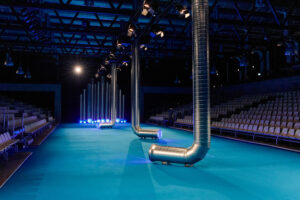
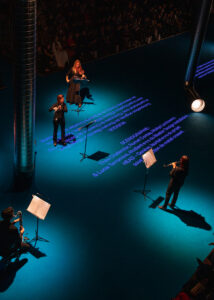
The show extended that spirit of experimentation beyond the collections themselves. ORGAN, an installation created by MA Installation Design students Théo Chalendar, Rumet Contay, Maïlys Lochowicz and Lucie Terranova, transformed the venue through an architectural arrangement of ventilation ducts, light and sound. An original musical collaboration between Romano Bianchi and Village Pipo, alongside the Geneva Chamber Orchestra, brought another creative layer to the experience.
Perhaps the most exciting thing about seeing these collections at this stage is that their ideas are still unfolding. There’s room to take risks, follow an unusual reference and turn an unexpected material into something entirely new. HEAD Genève offers a glimpse of what happens when emerging designers are given the space to think differently – and makes a compelling case for keeping their names on our radars.
Written by By Sandy Aziz
All photos provided by MAY CONCEPTS.
Special Thanks to HEAD Geneve, Romain Casella and MAY CONCEPTS