

There was a moment, somewhere between the crowds spilling into the iconic Crystal Palace Bowl venue and the first artists taking the stage, when it became clear that Mahrajan Festival wasn’t just introducing a new music festival to London. It was introducing a space that had long been missing.
As the UK’s first Arab music festival, representation was always going to be part of the conversation. But what stood out was how naturally music, fashion and identity moved together. No one treated them as separate worlds. The clothes didn’t demand attention, yet they spoke volumes.
The crowd reflected that instinctive approach to style. Vintage football shirts sat beside oversized tailoring. Independent Arab designers mixed with Louis Vuitton and Casablanca. Arabic typography appeared across jewelry, graphic tees and accessories. Heritage wasn’t reduced to nostalgia or costume. People wore it with confidence, folding it effortlessly into contemporary style.
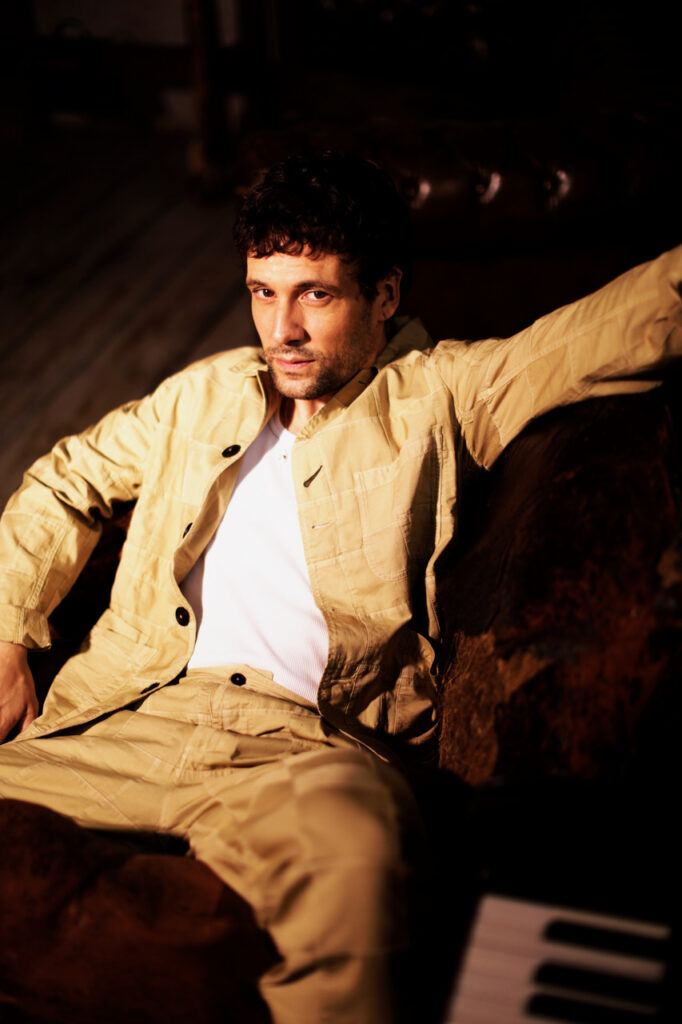
Backstage, the conversation followed the same thread. The artists didn’t just talk about music. They spoke about the designers on their radar, their go-to fashion items and what fashion evokes. Fashion wasn’t about image. It was another way of telling stories – about home, family, movement and belonging.
For artists whose lives stretch across languages, countries and cultures, clothing becomes another creative language. A jacket by an emerging regional designer. A vintage football shirt from home. A family heirloom worn on stage. Each choice carries meaning. Together, they push back against the idea that Arab creativity needs to conform to Western expectations to find a global audience.
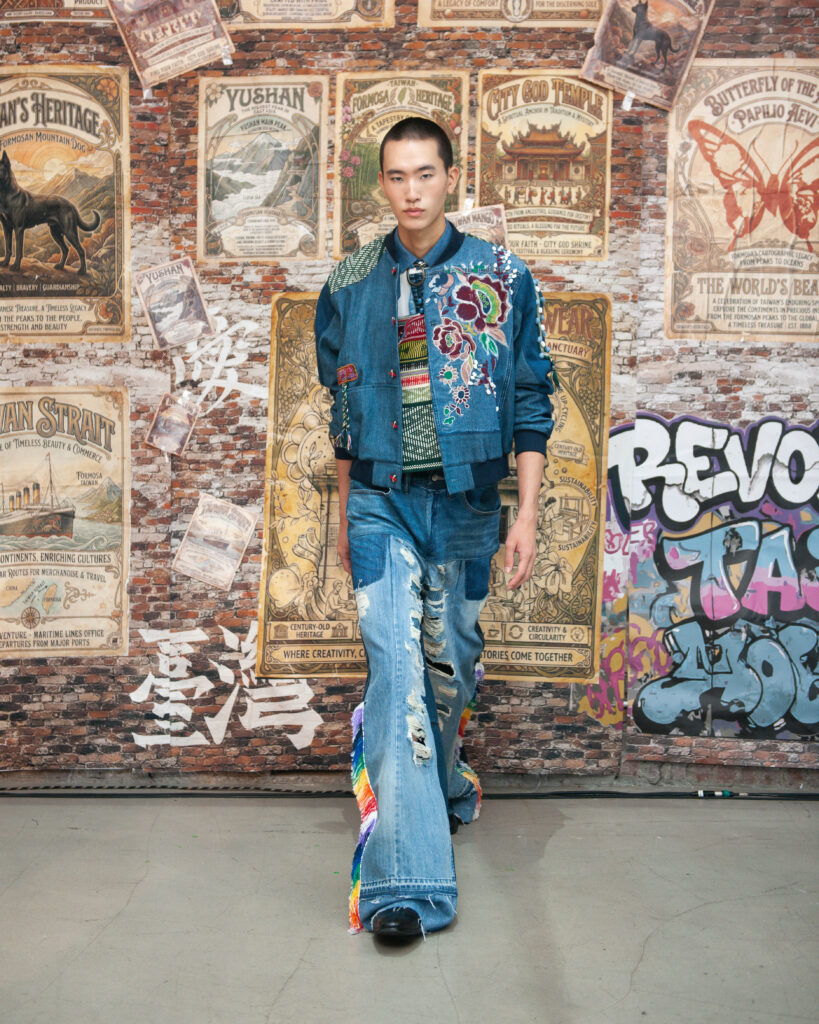
That same energy carried through the festival itself. Brands including Suez, Rimah, Anouri Original, Angels Wear Nada and more didn’t feel like separate fashion activations. They formed part of the wider creative ecosystem, existing alongside the music rather than orbiting around it.
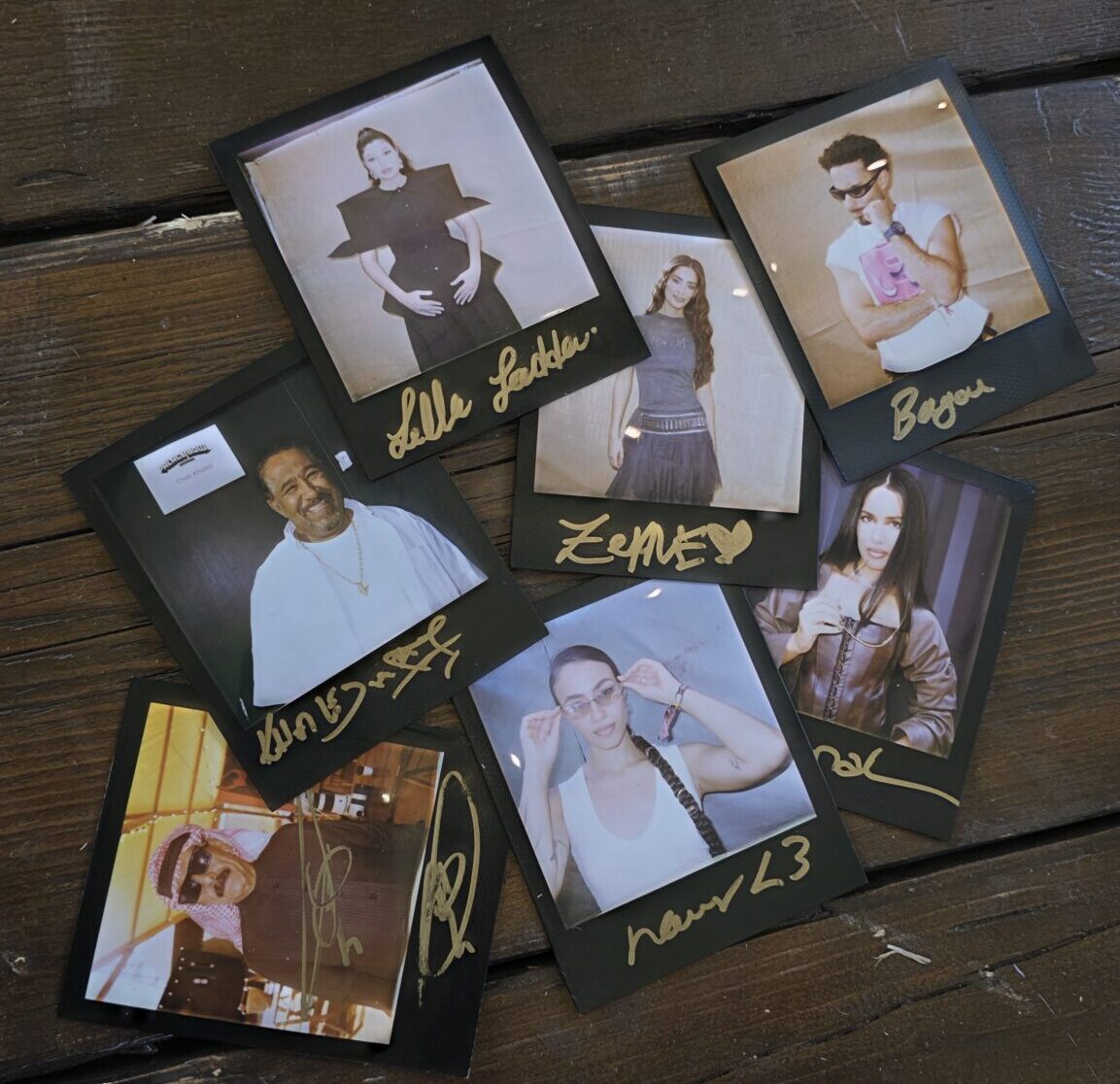
The line-up reflected that same breadth. Saint Levant, Dystinct, Bayou, Zeyne, and Lella Fadda each brought their own visual identity alongside their sound. No two artists dressed alike or approached performance in the same way. Together, they challenged the idea that Arab culture can be distilled into a single aesthetic.
For years, Arab creatives have shaped fashion, music and visual culture while working across separate platforms. Here, those worlds converged. Music became the soundtrack. Fashion gave it a visual language. Culture connected everything in between.
It’s easy to focus on Mahrajan as a first. But its real significance lies in what it revealed. It gave visibility to a generation that has always existed – one whose relationship with identity is layered, fluid and impossible to reduce to a single narrative.
In a cultural landscape where representation often feels performative, Mahrajan offered something quieter and far more convincing. You could see it in the artists people came to watch, the independent designers woven into the crowd and the conversations unfolding backstage.
By the end of the night, the performances had given the festival its soundtrack. The people – on stage and off it – had given it something more lasting: a portrait of contemporary Arab creativity where fashion, music and culture don’t compete for space. They strengthen one another.
Written by Sandy Aziz