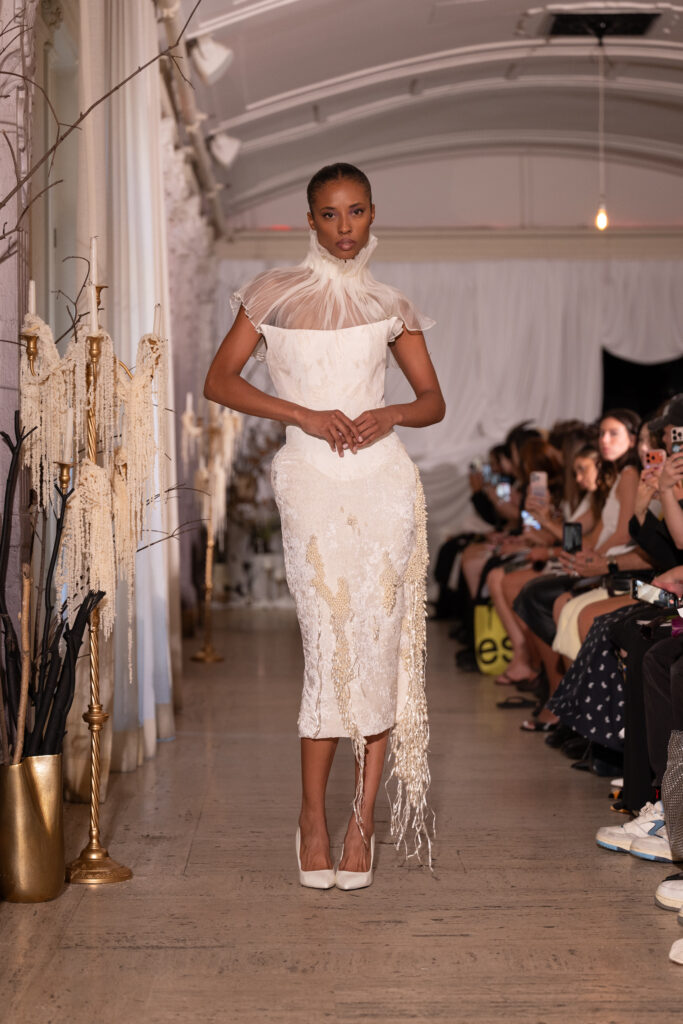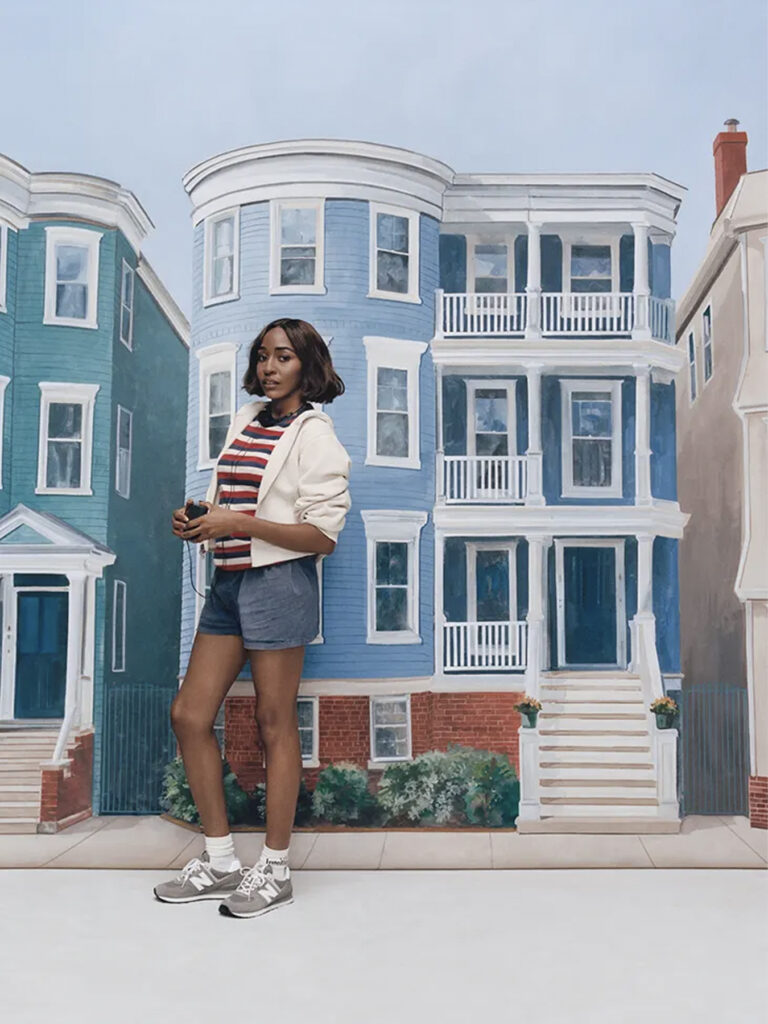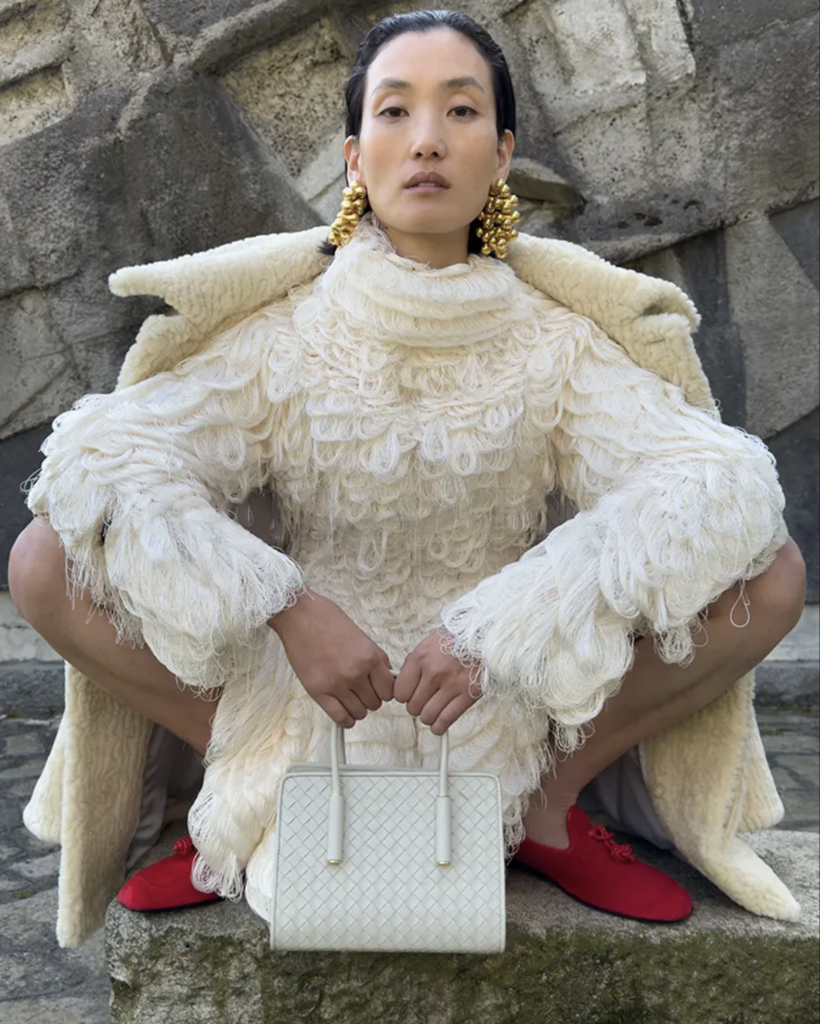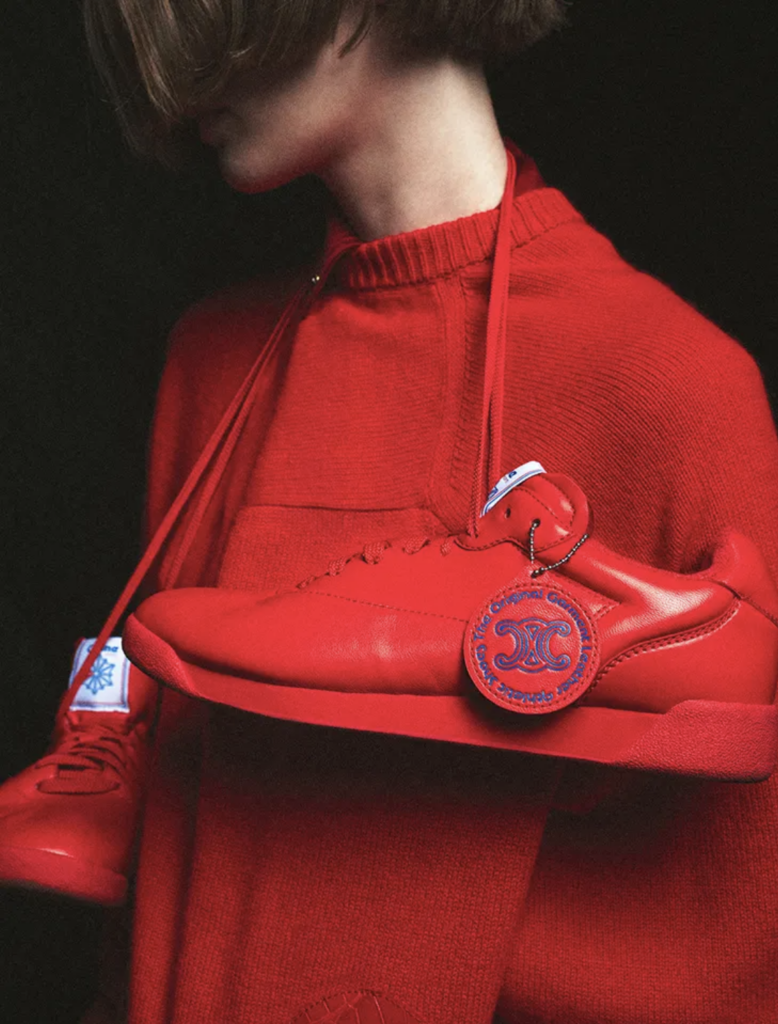






Thankfully for us, London Fashion Week (LFW) has never really been interested in behaving itself. Across bedrooms, galleries, listening rooms, school gyms and Shoreditch studios, this season was less about one defining trend and more about a true collision of personalities – romantic, strange, sexy, cerebral and, most importantly, very London.
Alongside the official schedule, British Fashion Council introduced Fashion Britain, its new nationwide initiative designed to push fashion outside the capital, with more than 1,000 events stretching across the UK. The message is clear: British talent expands beyond London’s zip codes.
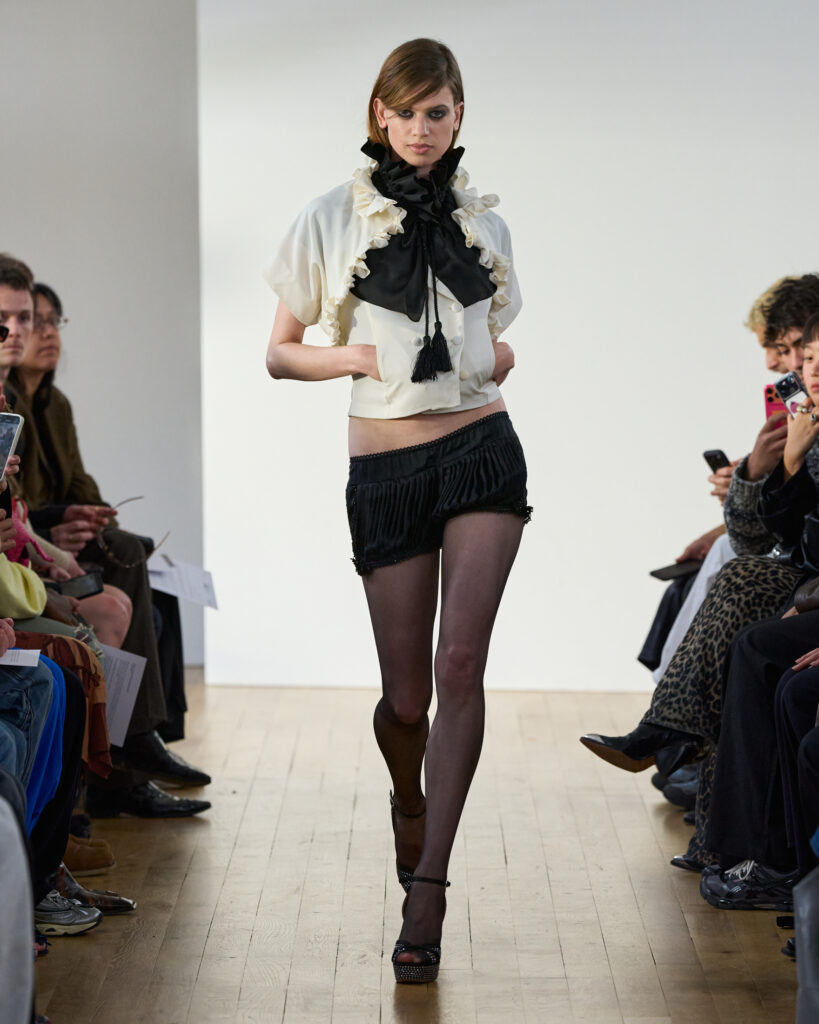
But as far as the London runways go, the following are all the designers we’re still thinking about now that the dust glitter has settled. Joyce Bao made her LFW debut with the kind of quietly assured womenswear that warrants a closer look, while Mithridate continued to prove that romance needn’t mean saccharine. Yuhan Wang went somewhere altogether more nocturnal with Sweet Nightmare: lingerie, lace, polo jerseys, baby-doll silhouettes and the uncanny intimacy of a bedroom caught somewhere between sleep and waking. Even the accessories seemed to have wandered out of a dream – powder compacts, tangled jewelry and tiny teacups were all transformed into fashion objects.
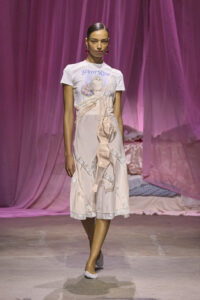
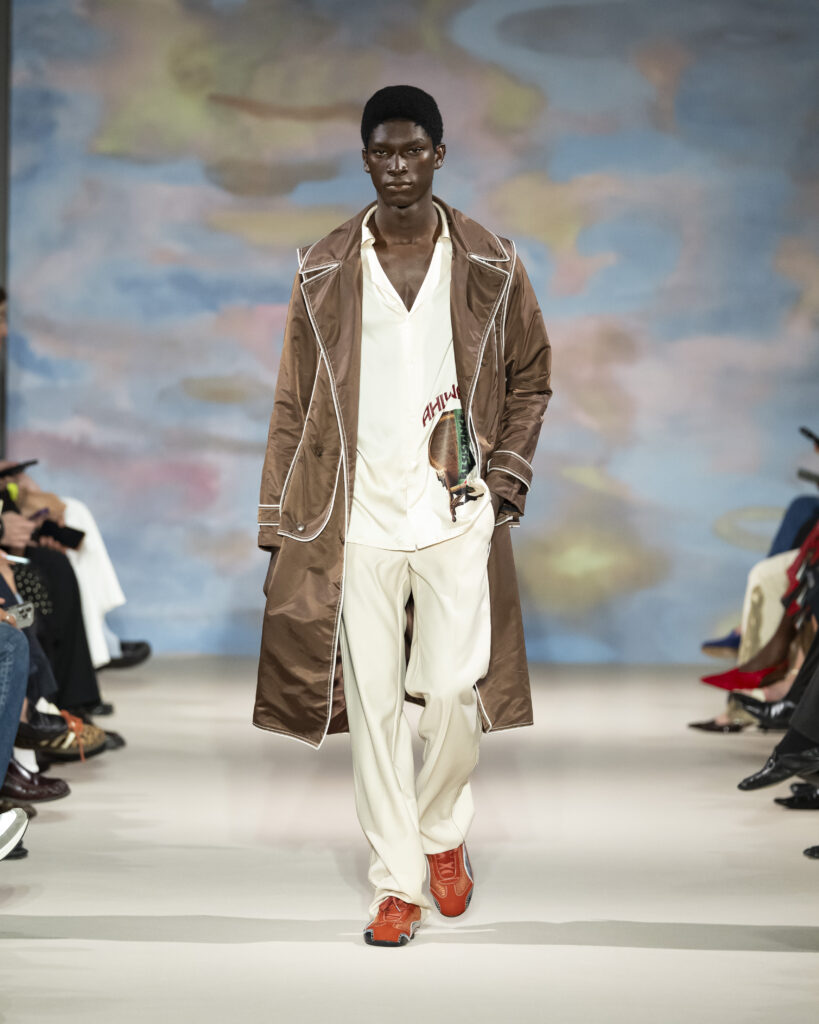
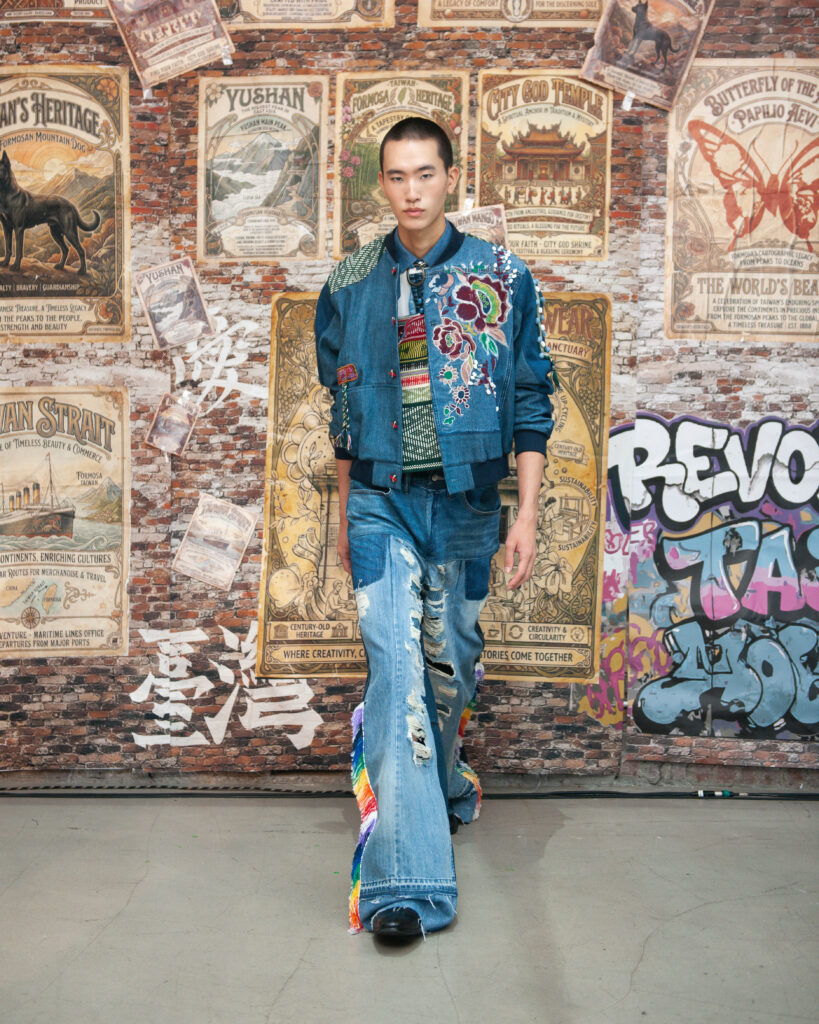
Then there was the pleasure of designers who simply know how to make clothes feel exciting by bringing their own distinctive languages to the week. Jen Lee presented a study of the tension between tradition and contemporary reinterpretation while Susan Fang made a convincing case for clothes as optical trickery, with translucent silhouettes, fractured color and details that seemed to hover somewhere between the real and the imagined.
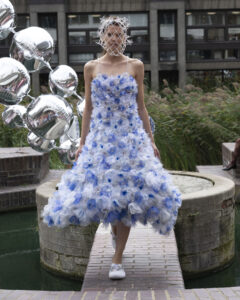
Oscar Ouyang continued to mine the strange beauty of objects and memory, taking the codes of masculine dressing and nudging them somewhere softer, stranger and more playful. Tailoring was loosened and disrupted, shorts took on unexpected shapes, and crochet, ruffles and glints of satin made the whole thing feel deliciously out of place. Talia Byre’s SS27 was another reminder that London does not need to shout to make an impact – though there was certainly plenty of color, attitude and body-conscious dressing around.
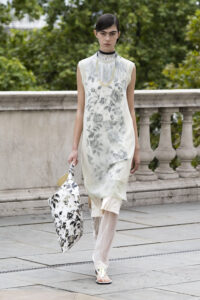
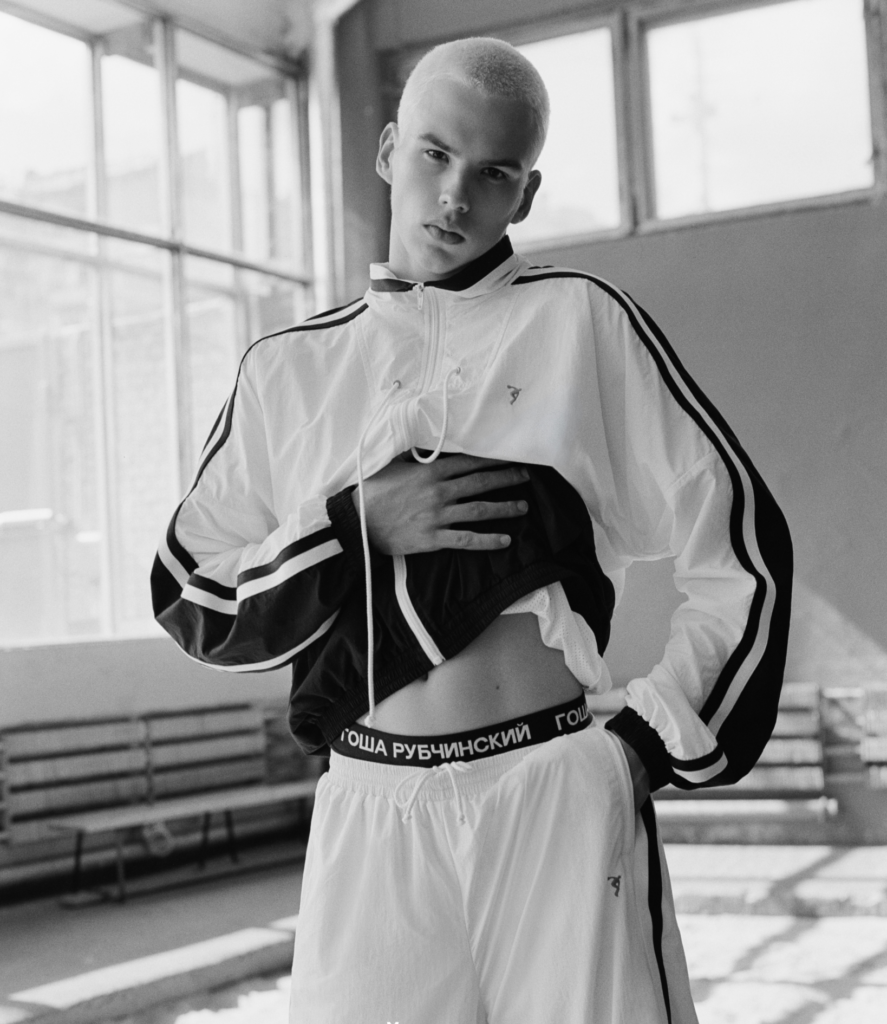
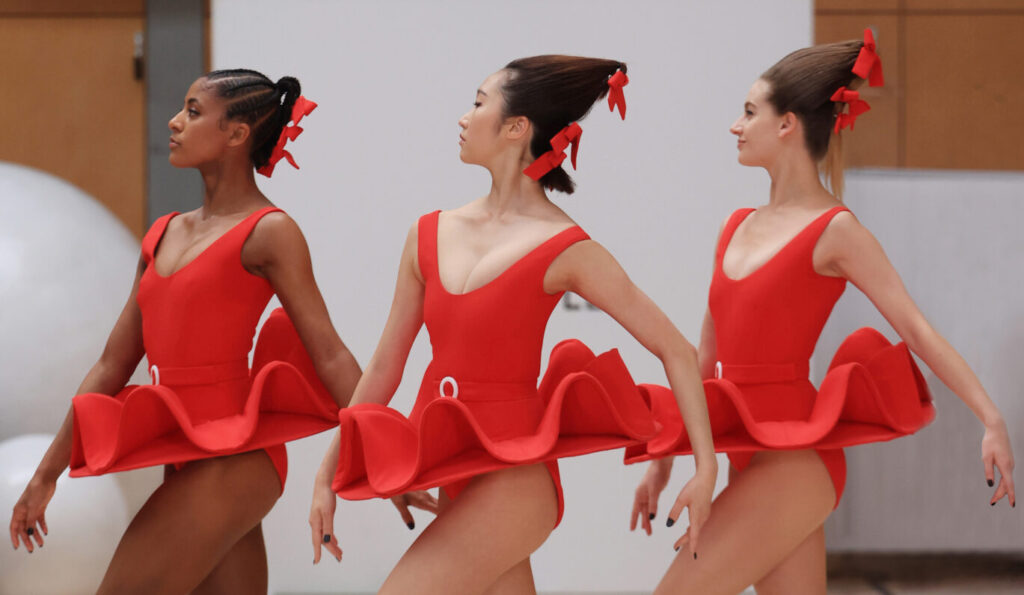
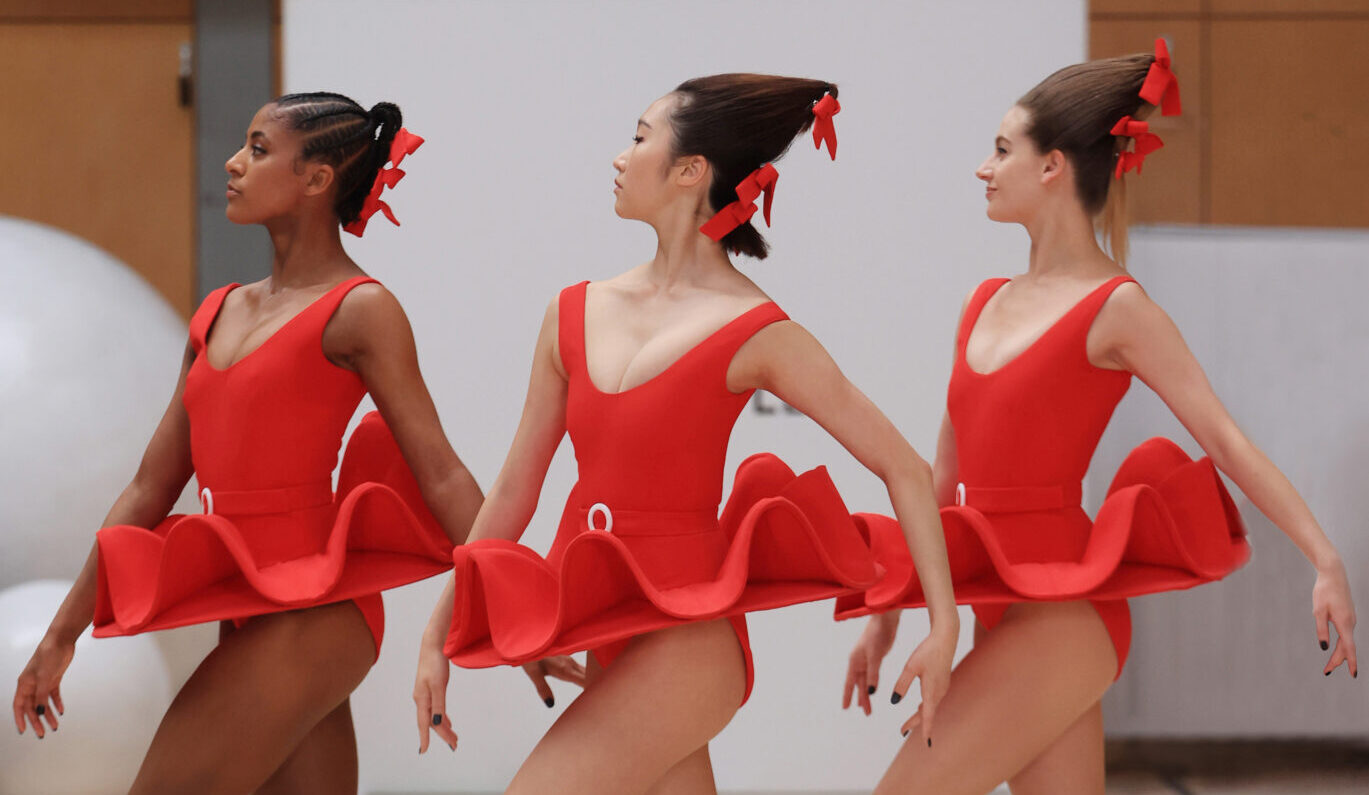
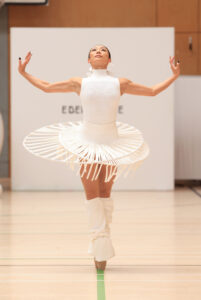
Lulu Guinness brought its own sense of British fashion history into the mix, while TOGA offered the sort of beautifully off-kilter dressing that makes you reconsider everything you thought you wanted to wear. The cleverness was in the tension between barely-there and built-up: skin, sportier shapes and abbreviated silhouettes met the kind of protective layering and strange little details that have become TOGA signatures. Simone Rocha, meanwhile, remained firmly in her own universe: romantic and theatrical. Edeline Lee took the theatricality quite literally, staging her collection as a performance in a school gym, with models being dressed and prepared in full view. It turned the mechanics of fashion into part of the spectacle, collapsing the distance between backstage and stage and making the process of getting dressed as much a part of the performance as the clothes themselves.
And then there was 5000’s LFW debut. Part presentation, part experience, it belonged to the growing category of LFW happenings that refuse to treat a fashion show as simply a row of clothes followed by applause. For Taylor Thompson, newly arrived in London from Oakland, the collection became an exploration of home as something less fixed than we imagine – somewhere between memory, displacement and becoming.
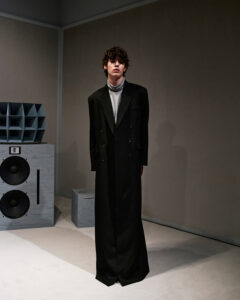
Onalaja and Rory William Docherty added further weight to a schedule increasingly interested in designers with something specific to say. Not necessarily louder, just more particular. Onalaja’s collection was shaped by the destruction of more than a decade of the brand’s work in a fire, making the painstaking nature of its craft feel all the more poignant. Broken beads were reconstructed, embroidery became almost architectural, and hours of handwork turned what had been lost into something newly tangible. The point was not to recreate what had burned, but to make something beautiful from its absence. Docherty’s presentation was arguably one of the standouts, with knots binding the collection together in every sense – moving between tailoring, jewelry and sheer layers while quietly asking what, beyond the clothes themselves, ties us together.

That conversation around craft and what we choose to hold onto continued at Fashion Scout, which celebrated twenty years of championing emerging talent with its expanded Ones To Watch program. Among the names was Tyler Von Greenston, whose London debut explored what luxury can mean when waste, craftsmanship and construction become part of the proposition. Working with deadstock and reclaimed materials, the London-based label places traditional British making alongside a more contemporary approach to circular design.
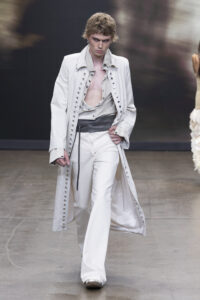
Overall, LFW SS27 felt interested in clothes with a point of view – clothes that could be romantic without being precious, experimental without becoming costume, commercial without becoming anonymous.
Perhaps that is the most interesting LFW story this season. Beyond the returns and headline-making spectacles, London’s fashion ecosystem is still doing what it does best: making space for the slightly strange, the highly specific and the not-quite-obvious.